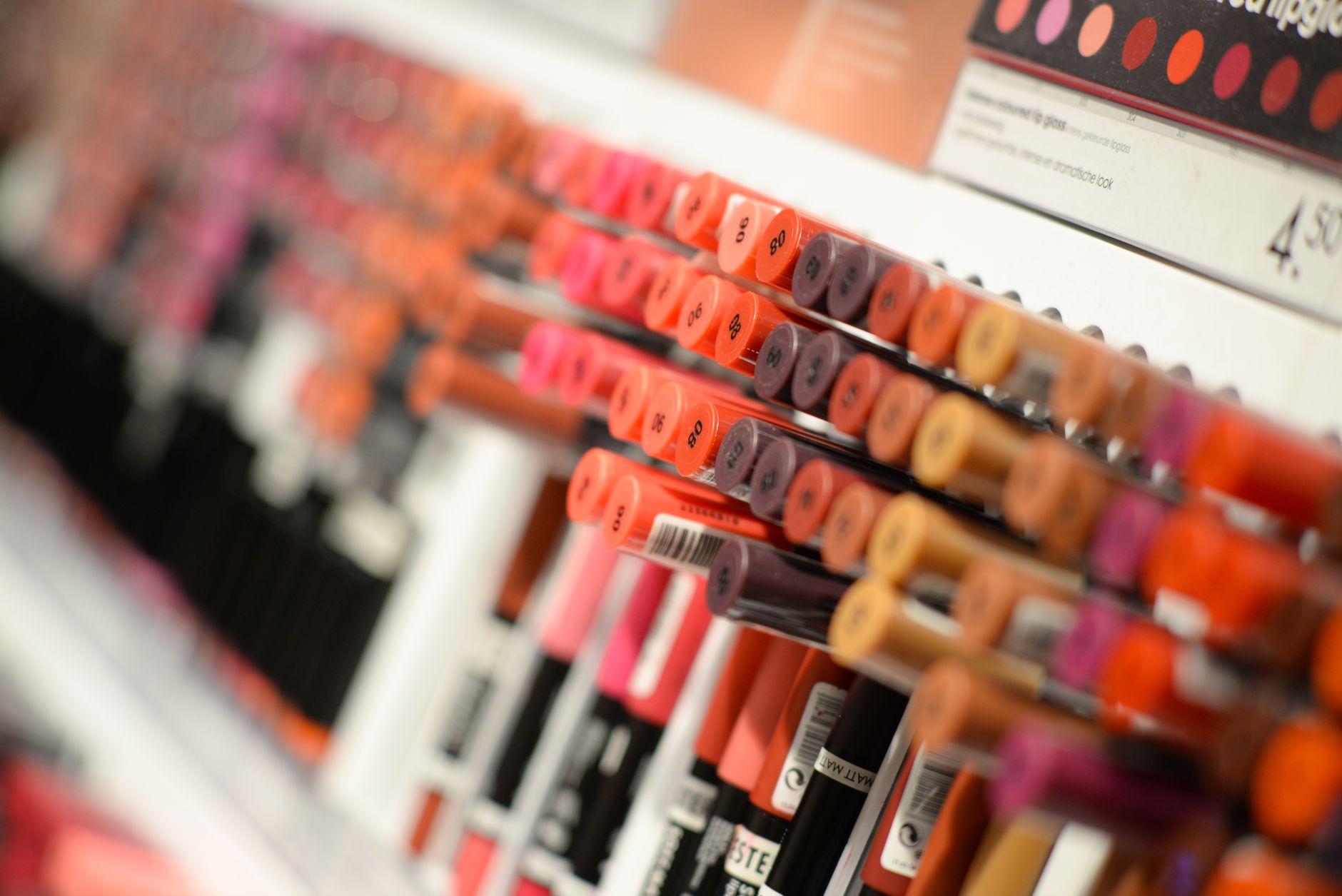
That gap translates directly into resale margin. Authentic overstock from major retailers is sold in manifested pallets, giving resellers clear unit economics before they buy.
Why K-Beauty Commands Higher Resale Margins Than Generic Beauty Overstock
Korean cosmetic brands occupy a unique position in the US beauty market. Names like COSRX, Laneige, Innisfree, Dr. Jart+, and Sulwhasoo carry genuine consumer recognition built through years of YouTube tutorials, TikTok skincare routines, and editorial coverage in outlets like Vogue and Allure. That recognition creates retail price floors that generic drugstore or private-label beauty products simply cannot match. The global K-beauty market was valued at $12.43 billion in 2025 and is projected to reach $13.24 billion in 2026, growing at a 6.5% CAGR (researchandmarkets.com). That sustained growth means consumer demand is not a trend fading next quarter. It is a structural shift in how American shoppers buy skincare. When resellers source general beauty overstock, they often encounter store-brand serums and unrecognized labels where price sensitivity is high and margins compress quickly. K-beauty lots flip that dynamic. Brand loyalty reduces price sensitivity on Amazon, eBay, and Poshmark, letting resellers hold closer to full retail while still clearing inventory faster than comparable generic SKUs.
What Price Points Make K-Beauty Liquidation Math Work
The unit economics of K-beauty liquidation are driven by the spread between retail price and acquisition cost. Beauty FBA businesses averaged 51.9% gross margin and 41.3% SDE margin on Amazon in 2026 (thefbaguys.com), which sets a useful baseline before you factor in the liquidation sourcing discount. A manifested pallet with a $5,000 MSRP purchased in the $800 to $1,200 range leaves substantial room even after Amazon referral fees of 8-15% plus fulfillment costs (novadata.io). The key calculation: start with the current Buy Box or lowest FBA price for each SKU, subtract platform fees and your target profit margin, and work backward to the maximum cost per unit you can afford to pay. If your lot cost lands below that number, the trade works. If it does not, pass.
How Consumer Demand Shapes K-Beauty Resale Velocity
Velocity is as important as margin. A high-margin SKU that sits in your warehouse for six months is not a win. K-beauty has structural velocity advantages over generic beauty overstock. Consumable beauty and skincare products see repeat purchase rates of 30-45%, with 90-day rates closer to 25-30% (mageloyalty.com). That means buyers come back, search volume stays elevated, and SKUs like COSRX Snail Mucin 96 Essence and Laneige Lip Sleeping Mask maintain consistent pull-through demand rather than spiking once and collapsing. Seasonal demand spikes around November and December gift-giving periods and during skincare awareness campaigns offer resellers additional pricing leverage. Fast-moving SKUs reduce holding costs and compress the time between purchase and profit realization, which is exactly what makes Korean skincare and cosmetics so attractive to buyers sourcing beauty overstock pallets.
How Manifested K-Beauty Liquidation Lots Reduce Sourcing Risk
A manifest is a SKU-level document that identifies each product in a lot by name, condition, quantity, and retail value. Buying beauty liquidation without one is guesswork. With one, you are running math. Manifested lots let buyers calculate cost-per-unit and project gross margin before any money changes hands, converting what feels like speculation into a structured sourcing decision. At Remex Liquidation, we supply manifested pallets and truckloads of cosmetic inventory sourced from major US retailers, so buyers see transparent unit economics upfront rather than discovering what they bought after the pallet arrives. Our team has found that this transparency reduces buyer anxiety and accelerates deal closure, since resellers can model their margins before committing capital. Condition grades matter enormously in beauty: new and shelf-pull items resell across every channel, including Amazon, while customer returns require more scrutiny and typically suit eBay or direct buyers better. Buyers should always request expiration date disclosures or batch code information for any skincare, serum, or treatment product. U.S. retail returns now represent approximately $890 billion in returned merchandise annually (shipnetwork.com), and only 48% of returned items are resold at full price (shipnetwork.com). That creates a steady, large supply of beauty overstock flowing into the liquidation channel, but it also means condition verification is non-negotiable.
What Resellers Should Verify in a K-Beauty Liquidation Manifest
Manifest review is where experienced resellers protect their margins. First, confirm that brand names match recognizable K-beauty labels rather than generic or private-label fillers that inflate apparent MSRP without delivering resale value. Second, check that condition codes are specific: "A-grade shelf pull" or "customer return, unopened" tells you something. "Mixed beauty" tells you nothing. Third, review expiration date or batch code disclosure for any consumable product. Korean skincare actives like retinol, vitamin C, and AHA/BHA exfoliants degrade past expiration, and listing expired products on Amazon is a policy violation that risks account health. Fourth, compare the manifest's stated MSRP against current Amazon or Ulta listing prices to validate the retail value claims. Fifth, ask whether the lot originated from a named retailer such as Target, TJX, or Amazon. Traceable retail sourcing is a strong signal of authenticity and reduces counterfeit risk significantly compared to lots sourced through unnamed intermediaries.
Which Resale Channels Work Best for K-Beauty Liquidation Inventory
Channel selection directly determines sell-through rate and net margin. No single platform is optimal for every SKU in a mixed K-beauty lot, so resellers who build multi-channel operations consistently outperform those locked into one marketplace. Amazon is the dominant channel for brand-name K-beauty due to high organic search traffic for specific SKUs and built-in consumer trust, but it carries the most fee friction. Beauty referral fees on Amazon run 8-15% of sale price (novadata.io), and beauty and personal care products see return rates of 4-10% in US ecommerce (shipnetwork.com), which is manageable but must be budgeted. eBay suits mixed-condition lots and discontinued K-beauty SKUs that attract collectors and deal-seekers. Poshmark and Mercari are gaining traction for premium items like Sulwhasoo and SK-II, where buyers are willing to pay closer to retail in exchange for access to hard-to-find products.
Live Selling, Beauty Boxes, and Pop-Ups as High-Velocity Channels
Beyond traditional platforms, live selling has become one of the fastest ways to move K-beauty liquidation inventory. TikTok Shop generated $9 billion in US GMV in 2024, just 16 months after launching (clouted.com), and 81% of TikTok Shop sales in the US are health and beauty products (capitaloneshopping.com). That concentration makes TikTok Shop a natural fit for Korean skincare wholesale resellers. Viral K-beauty products sell out within hours during live sessions, eliminating storage costs and the patience required for marketplace listings. Curated beauty subscription boxes and pop-up events are two additional channels where liquidation inventory thrives. Packaging thematic Korean skincare wholesale kits, such as a complete 10-step routine bundle or a brightening-focused trio, raises average order value and gives buyers a reason to pay closer to retail. Physical beauty supply stores and flea market vendors benefit from K-beauty lots as a margin-boosting add-on, particularly for community demographics with existing K-culture familiarity.
How to Price K-Beauty Liquidation Products Competitively
Pricing discipline is what separates profitable resellers from break-even operators. Start with the current Buy Box or lowest FBA price on Amazon to establish a ceiling, then subtract platform fees, estimated return costs, and your target margin to arrive at the maximum cost per unit the lot can support. For eBay, use the "sold listings" filter to see actual transaction prices rather than aspirational asking prices that may never clear. Bundling is a powerful margin lever. Pairing a slower-moving toner with a fast-selling serum from the same brand creates a bundle that faces less direct price competition and allows you to price above the sum of individual components. Resellers who test products across channels from a single mixed lot identify fast movers quickly, then concentrate reorder volume in those SKUs, which is a sourcing discipline that compounds margin improvement over time.
How to Evaluate and Choose a K-Beauty Liquidation Supplier
Supplier selection is the highest-leverage decision in the K-beauty liquidation sourcing process. Authentic manifests, clear condition grades, and traceable retail sourcing are baseline requirements, not differentiators. Beyond those basics, the structural factors that determine long-term supplier value are warehouse proximity, inventory replenishment frequency, and lot size flexibility. Remex Liquidation operates warehouses in Texas and California, which cuts freight costs and transit times for resellers across the continental US. In our experience, proximity to major distribution hubs allows us to ship manifested lots within 48 hours of order confirmation, giving resellers the inventory velocity they need to capitalize on seasonal demand windows. Texas and California warehouse locations reduce per-pallet freight expense for buyers in the South, Southwest, and West Coast, and next-day or two-day ground shipping to major metro markets keeps landed cost competitive. Weekly restocked inventory allows resellers to build a consistent supply pipeline rather than one-off purchasing, which supports steady business scaling without the scramble to find a new supplier every time a lot sells through.
What Red Flags Should Buyers Watch for in Liquidation Listings
The liquidation market has no shortage of unreliable sellers, and the consequences of a bad buy in beauty are worse than in general merchandise because consumable products have safety and regulatory dimensions that hard goods do not. No manifest or only a category-level description with no SKU detail is the clearest red flag. Prices that seem impossibly low even by liquidation standards, below 5 cents on the dollar, usually signal heavily expired or damaged inventory where resale value is near zero. Suppliers who cannot name the retail source of their lots or refuse to provide batch codes for skincare products should be avoided. Overseas-only sellers with no US warehouse or customs clearance documentation create landed cost uncertainty and meaningful counterfeit risk. The scarcity dynamic of liquidation lots cuts both ways: legitimate one-time overstock lots command fair prices because the inventory is genuinely limited, but predatory sellers exploit urgency to push junk lots. Look for suppliers with verifiable repeat-buyer references and consistent inventory categories, not just attractive listing prices.
Discontinued Products and Scarcity as Pricing Advantages
One underappreciated margin driver in K-beauty liquidation is the scarcity premium attached to discontinued packaging and reformulated SKUs. When a brand like Innisfree retires a product or updates its packaging for the US market, the original version often commands a premium on eBay and Poshmark from buyers who prefer the legacy formula. Resellers who acquire discontinued K-beauty inventory through liquidation channels hold pricing power that no active retailer can undercut, because the product simply is not available through normal distribution anymore. This is a category-specific advantage that generic beauty overstock rarely offers. Drugstore products are rarely discontinued with enough consumer loyalty to sustain a secondary market, but K-beauty's passionate enthusiast base creates genuine demand for legacy SKUs that liquidation resellers can capture.
| Channel | Best SKU Types | Typical Fees | Return Rate | Key Advantage |
|---|---|---|---|---|
| Amazon FBA | New, shelf pull, A-grade | 8-15% referral + fulfillment | 4-10% | Highest traffic, Prime badge |
| eBay | Mixed condition, discontinued | ~13% | Lower, buyer-specific | No gating, sold-listings data |
| TikTok Shop | Trending, viral SKUs | Varies | Low (live session) | 81% of US sales are health/beauty |
| Poshmark/Mercari | Premium brands, SK-II, Sulwhasoo | 20% / ~10% | Low | Premium buyer tolerance |
| Beauty Boxes / Pop-Ups | Mixed assortments, themed kits | None (direct) | Near zero | Full retail pricing potential |
Frequently Asked Questions
What is a K-beauty liquidation lot and what types of products does it typically include?
How much can a reseller expect to pay per unit when buying K-beauty liquidation pallets?
Are K-beauty liquidation products authentic or do they carry a high counterfeit risk?
Can small businesses or individual resellers purchase K-beauty liquidation lots, or are minimum orders too high?
What condition grades are common in beauty liquidation lots and how do they affect resale value?
How does the location of a liquidation warehouse in Texas or California affect shipping costs for US resellers?
What platforms generate the best sell-through rates for K-beauty liquidation inventory?
How do I calculate whether a K-beauty liquidation lot is profitable before I buy?
Sources & References
- Ecommerce Return Rates by Industry: 2026 Benchmarks - ShipNetwork (opens in a new tab)[industry]
- K-Beauty Products Market Report 2026 - Research and Markets (opens in a new tab)[industry]
- 15 TikTok Shop Statistics - Clouted Blog (opens in a new tab)[industry]
- TikTok Shop Statistics (2026): Revenue, Growth & Trends - Capital One Shopping (opens in a new tab)[industry]
- Beauty & Skincare Repeat Purchase Benchmarks (2026 Data) - Mage Loyalty (opens in a new tab)[industry]
- Amazon FBA Profit Margin by Category - The FBA Guys (opens in a new tab)[industry]
- Amazon Profit Margins by Category: 2026 Benchmarks - Novadata (opens in a new tab)[industry]
About the Author
Remex Liquidation
REMEX Liquidation is a B2B wholesale supplier of authentic Korean cosmetics and skincare in small, flexible lots for online and live-selling resellers, plus liquidation pallets and truckloads from major retailers, shipped from warehouses in Dallas, TX and Santa Fe Springs, CA.
Learn more at remexliquidation.com → (opens in a new tab)Related Posts
Liquidation vs. Traditional Wholesale Cosmetics: A True Cost Comparison
Traditional wholesale cosmetics offer predictability but come with high minimums and thin margins. Liquidation sourcing flips that equation with lower cost-per-unit and flexible entry points. This comparison breaks down the true landed cost of each model so online beauty sellers can decide which fits their business.
12 min read
Small Lots for Online Sellers: How to Test New Beauty Products With Less Risk
Testing new beauty products doesn't require a massive upfront order. Small wholesale lots let online sellers verify demand, protect cash flow, and scale only what sells. This guide shows exactly how to do it, with real numbers.
10 min read
Korean Skincare Wholesale: 8 Product Categories That Sell Best for Resellers
Korean skincare wholesale is one of the fastest-growing segments for US online resellers, but not every product category performs equally. This guide identifies the 8 best-selling K-beauty product types for resale, explains demand drivers, and shows where small mixed lots from suppliers like Remex Liquidation fit into a low-risk sourcing strategy.
11 min read