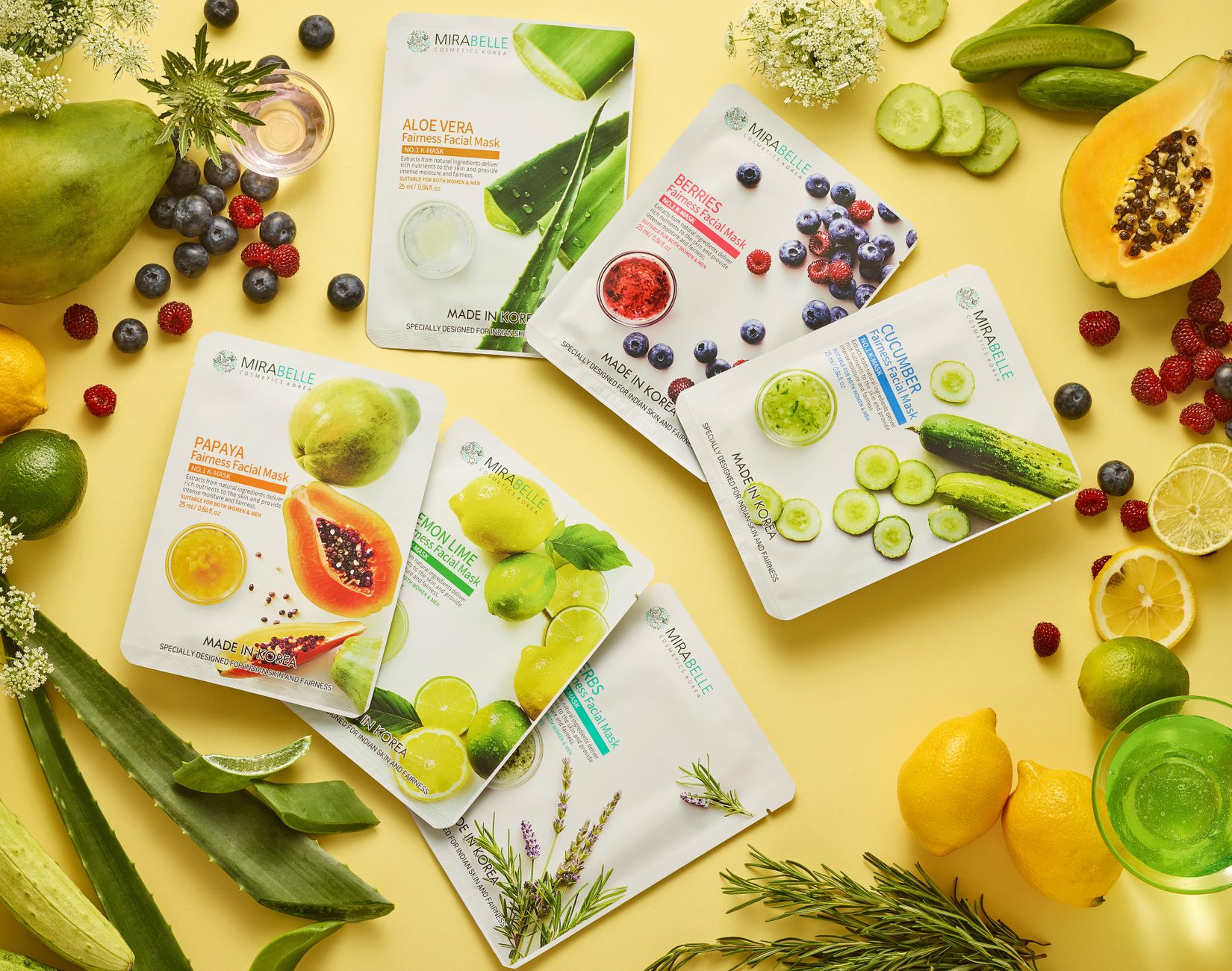
To verify wholesale Korean cosmetics are authentic, check several markers. Look for Korean-language ingredient labels and a valid batch code. Confirm MFDS registration. Verify original sealed packaging. Cross-reference the batch code on CheckCosmetic.net and confirm your supplier provides products in original manufacturer packaging, not repackaged or relabeled units.
Why Authenticity Matters More in Korean Cosmetics Than Other Beauty Categories
The K-beauty market is growing fast. The global K-beauty products market is valued at $13.24 billion in 2026 (researchandmarkets.com), and that growth has made Korean cosmetics a prime target for counterfeiters. The FDA estimates that up to 20% of cosmetics sold online are counterfeit (onearvoventures.com), and 1 in 3 US consumers has unknowingly purchased a counterfeit beauty or personal care product (onearvoventures.com). The global cosmetics industry loses approximately $5.4 billion every year to counterfeit cosmetics (onearvoventures.com). For resellers on platforms like Whatnot and TikTok Shop, the risk is not abstract. Consumers who follow K-beauty closely have trained themselves to spot packaging differences. A single suspicious shipment shown on a live stream can generate chargebacks and negative feedback. Recovery takes months. Korean cosmetics are regulated by MFDS in Korea. They must also meet FDA labeling requirements to be legally sold in the US. That dual compliance burden is unique to this category and sets a higher bar for resellers than most other beauty sourcing channels.
What Legal Risk Do US Resellers Face from Counterfeit Cosmetics?
The legal exposure here is real and applies directly to resellers, not just importers. The Federal Food, Drug, and Cosmetic Act (FD&C Act) makes it illegal to introduce adulterated or misbranded cosmetics into US commerce, regardless of whether the reseller knew the goods were fake. CBP data from FY 2023 shows that 31% of all intercepted counterfeit goods were beauty and personal care products (onearvoventures.com), and in 2023 alone, US Customs and Border Protection alongside the FDA seized over $700 million worth of counterfeit cosmetics entering the country (onearvoventures.com). Amazon, Whatnot, and TikTok Shop all enforce anti-counterfeiting policies that result in immediate delisting, withheld payouts, and permanent account bans for verified violations. Ignorance is not a legal defense. Resellers who unknowingly sell fakes are not automatically protected, which makes supplier vetting a core business practice, not an optional step. The consequences extend beyond platform bans to potential FDA enforcement actions and civil liability from brand rights holders.
How to Read Korean Cosmetics Packaging to Spot Authentic Products
Authentic Korean cosmetics have distinctive packaging characteristics that experienced resellers learn to read quickly. High-resolution print finish is one of the clearest markers. Genuine Korean brands invest in precise typography and uniform ink coverage. Counterfeits routinely show blurry text, misaligned graphics, or color bleed at the edges. South Korea's cosmetic packaging market was estimated at $2,090.54 million in 2024 (marketresearchfuture.com), reflecting the significant investment authentic brands make in packaging quality. Feel the material. Thin walls, lightweight construction, or a noticeably different surface finish compared to known authentic units from the same brand are physical red flags you can detect before you even open the box. Holograms, embossed brand logos, and tamper-evident seals vary by brand, but their absence on a product that normally carries them is a signal worth investigating. Original sealed packaging, meaning the product has never been opened, repackaged, or relabeled since leaving the manufacturer, is a baseline authenticity requirement. Any evidence of re-sealing, re-shrinking, or re-gluing a box should immediately trigger closer inspection.
Korean and Export Labels Differ: Why This Comparison Matters
One area that trips up new resellers is the difference between Korean domestic market labels and export-formatted labels. Products manufactured for the Korean domestic market carry Korean-language labels formatted to Korean regulatory standards. Products formatted for export, particularly those destined for the US market, should include English-language additions or a full English overlay. These are not interchangeable. A product with a Korean-only label entering the US domestic resale market violates the FD&C Act. This applies even if the product itself is completely genuine and safe. This distinction matters because counterfeit products frequently copy domestic Korean labels precisely, while authentic products bound for US resale carry correct export formatting. Comparing the label type against what you would expect for a legitimate US-market import is a fast and underutilized authenticity signal. If a wholesale lot labeled for US resale contains only Korean domestic labels with no English additions, that is a compliance gap the reseller is responsible for correcting before any unit is listed for sale.
How Do Batch Codes Work on Korean Cosmetics?
A batch code (also called a lot code) is a manufacturer-assigned alphanumeric string encoding the production date and factory of origin. It allows the brand to trace any unit back through its supply chain. On most Korean cosmetics, the code is embossed, printed, or lasered directly onto the bottom of the container or the box flap, using the same font and ink as the rest of the official packaging. CheckCosmetic.net is the most widely used free tool for decoding batch codes across Korean and international cosmetics brands. Enter the brand name and batch code to retrieve an estimated manufacture date. If the code is absent, illegible, rubbed off, or returns a result that does not align with the product's apparent condition, treat the unit as unverified and escalate to your supplier before listing.
Here is the critical point that most guides skip: a batch code alone cannot prove authenticity. Sophisticated counterfeiters copy visible batch codes from authentic products and replicate them on fakes. A code that resolves correctly on CheckCosmetic.net tells you the code format is plausible; it does not confirm the unit in your hand is genuine. This is why batch code checking is one layer of verification, not the whole process. Cross-reference the code result against the product's physical condition, label quality, and supplier documentation together. A code that returns an implausibly old manufacture date, or a date inconsistent with how the product was marketed to you, warrants investigation even if the code technically resolves.
What Does a Legal US-Market Korean Cosmetics Label Look Like?
Products imported for US retail sale must carry an English-language label including the product identity, net quantity, distributor name and US address, and a complete INCI ingredient list in descending order of concentration. INCI stands for International Nomenclature of Cosmetic Ingredients, and the naming convention is standardized. Any ingredient list that uses unusual spellings, non-INCI trade names, or generic chemical descriptions instead of standardized INCI names is a red flag worth investigating further. Korean-only labels without English additions are legal only for personal import use. An English sticker affixed over or beside the original Korean label is a common and legally acceptable practice for US importers, provided the sticker is accurate, permanent, and not easily peelable. The absence of any English labeling on a wholesale lot intended for US resale is a serious compliance issue, and the reseller, not just the original importer, shares responsibility for correcting it before any unit reaches a buyer (fda.gov).
How to Verify Korean Cosmetics Through MFDS and Official Brand Channels
Korea's Ministry of Food and Drug Safety (MFDS) maintains a public cosmetics product database at cosmetics.mfds.go.kr where registered products can be searched by brand or product name. For functional cosmetics, meaning products claiming whitening, UV protection, or anti-wrinkle effects, MFDS approval is mandatory before the product can be legally manufactured or sold. Verifying that a claimed functional cosmetic holds valid MFDS registration is a meaningful authenticity check, because a counterfeit product is unlikely to have been submitted through the formal approval process. The database is in Korean, which presents a navigation challenge for US resellers. Using a browser with built-in Korean translation or working with a sourcing partner familiar with the Korean regulatory system helps. Do not treat MFDS search as a complete solution. Not all cosmetics lines appear in the database, and standard cosmetics (non-functional) have less stringent registration requirements. Use MFDS verification as one layer of a multi-step process, combined with packaging inspection, batch code checking, and supplier vetting.
Storage and Shipping Conditions and Their Role in Authenticity Assessment
Storage and shipping conditions affect authenticity assessment. This is frequently overlooked. At Remex Liquidation, we recognize that proper handling throughout the supply chain directly impacts your ability to authenticate products accurately on receipt. A genuine product can arrive in poor condition. This makes verification harder. Poor conditions signal supply chain mishandling. Heat exposure during shipping or improper warehouse storage can cause separation, discoloration, or texture changes in cosmetics, which may look like signs of counterfeiting to an inexperienced inspector. Moisture damage to outer cartons can blur batch codes and label printing in ways that resemble counterfeit print quality. Conversely, a counterfeit product in pristine storage conditions can pass a visual inspection that only checks for obvious physical damage. This is why receiving inspection should include evaluating the condition of the outer carton and the internal packing material alongside the products themselves. Inspect for moisture staining, temperature damage, or evidence that the lot was stored in unsuitable conditions before it reached you. At Remex Liquidation, our warehouses in Dallas, TX and Santa Fe Springs, CA maintain inventory in conditions appropriate for cosmetics, so resellers receiving a lot from us start with a clean baseline for inspection.
What Is the FDA's Role in Verifying Imported Korean Cosmetics?
The FDA does not pre-approve cosmetics before they enter the US market. Its authority is enforcement-facing: the FDA can detain, refuse, or recall cosmetics that are adulterated, misbranded, or manufactured under unsanitary conditions. The Modernization of Cosmetics Regulation Act of 2022 (MoCRA) expanded FDA authority and introduced mandatory facility registration and product listing for cosmetics manufacturers and distributors, with compliance requirements phased in through 2024 and 2025 (fda.gov). US resellers are not required to register with the FDA unless they also manufacture or repackage cosmetics, but they remain liable for selling products that violate FDA standards. The FDA's import alert database, accessible at fda.gov, lets resellers check whether a specific manufacturer or brand has a history of detentions or violations. Checking this database before you place a large order adds a low-effort verification layer that most small resellers skip entirely.
Destination country rules on authenticity, permission to sell, import compliance, and labeling are separate from authenticity verification itself. A product can be genuinely authentic and still be illegal to resell in the US if it lacks proper English labeling, was imported without meeting FDA entry requirements, or makes drug claims without FDA drug approval. Resellers must clear both hurdles: authentic product and compliant importation. These are not the same thing, and treating them as equivalent is one of the most common compliance errors in the K-beauty wholesale channel.
How to Vet Your Wholesale Korean Cosmetics Supplier Before Placing an Order
Supplier vetting is where most authentication failures are prevented, because a trustworthy source removes the bulk of downstream risk. In our experience, resellers who invest time in verifying their wholesale source before placing an order avoid the vast majority of authenticity disputes that lead to account restrictions and chargebacks. A reputable wholesale supplier should be able to describe, in writing or on a call, what brands and product types are in a given lot and confirm that products are new and in original manufacturer packaging. Ask explicitly whether the supplier can provide lot documentation, prior manifests, or product photos before purchase. Refusal is a warning sign. Confirm the supplier's warehouse location and legal business registration. Legitimate US-based liquidation and wholesale suppliers operate from verifiable addresses with traceable business identities. Volume pricing tiers and clear per-unit cost disclosures signal a professional operation. 70% of beauty brands discover counterfeit versions of their products on digital marketplaces (onearvoventures.com), and the sourcing channel is the first line of defense against that risk.
Consider a scenario common to Whatnot and TikTok Shop live sellers: you need a varied, low-cost-per-piece inventory for a weekly show, but brand-direct wholesale programs require order quantities far beyond what a solo seller can move in a week. Remex Liquidation's Mixed Korean Cosmetics Small Lot addresses this directly. Each box contains 400+ units of authentic Korean cosmetics in original manufacturer packaging, priced at $600 per box (about $1.50 per piece) for domestic orders, with a 1-box minimum and shipping of about $80 per box (marketresearchfuture.com). This lets you receive and authenticate a real lot before scaling. Volume discounts begin at 12 boxes, and orders of 5 or more boxes require an LTL freight quote. All sales are final, which makes the upfront authentication process non-negotiable, but the low entry point makes it manageable. Contact Remex via WhatsApp at (434) 333-9857 or through the contact page to confirm current lot contents and shipping costs to your location before ordering.
What Questions Should You Ask a Korean Cosmetics Wholesale Supplier?
The questions you ask before placing an order determine how much risk you carry into the transaction. Start with the basics: Are these products new and in original manufacturer packaging, or have any been opened, tested, or repackaged? Can you confirm the brands or product categories in this lot, and can I see photos of a representative sample? What is your batch traceability, and can you describe where this inventory originated, whether overstock, shelf pulls, or liquidation? What are the shipping terms and total landed cost, including freight? For orders with Remex Liquidation specifically, contact via WhatsApp at (434) 333-9857 or the contact page to confirm current lot contents, the brand mix in the current shipment, and shipping costs to your location. Never place an order based solely on a product description without confirming the specifics for the current lot.
How Mixed Lot Suppliers Fit Into the Korean Cosmetics Sourcing Landscape
Korean cosmetics reach US resellers through several distinct channels: brand-direct wholesale programs, authorized US importers and distributors, and liquidation or overstock suppliers. Brand-direct and authorized distributor channels offer the highest certainty of authenticity but typically require large minimum orders and established buyer relationships that exclude new or small resellers. Mixed lot suppliers occupy a legitimate middle tier, offering overstock and liquidation inventory in manageable quantities appropriate for TikTok Shop and Whatnot live sellers who need variety without committing to single-SKU bulk orders. The trade-off in a mixed lot is that you receive a curated variety rather than a fixed assortment. Confirming the current lot's brand mix with the supplier before ordering is the right way to manage this. The answer is not to avoid mixed lots; it is to vet the source carefully and authenticate on receipt.
Authentication Checklist: Step-by-Step Process for Resellers Receiving a Korean Cosmetics Lot
A consistent on-receipt authentication process protects your seller accounts and your reputation. Document every step with photos. That documentation is your defense if a buyer or platform ever challenges the authenticity of a product you sold.
| Checkpoint | What to Look For | Red Flag |
|---|---|---|
| Outer carton condition | No moisture damage, no resealing evidence | Wet stains, re-taped seams, crushed corners |
| Batch code presence | Embossed or printed, legible, matches brand font | Missing, smeared, or applied with different ink |
| Batch code date check | Manufacture date consistent with product condition | Implausibly old date or no result on CheckCosmetic.net |
| Label language | English INCI ingredient list present for US sale | Korean-only labels with no English addition |
| Ingredient list format | Standard INCI naming conventions used | Unusual spellings or non-INCI trade names |
| Physical packaging | High-resolution print, solid weight, intact seals | Blurry text, light weight, color bleed, broken seal |
| Product cross-reference | Product exists on official brand site or MFDS | Product name or shade does not match any official listing |
Step 1: Inspect the outer carton immediately on receipt for signs of tampering, moisture damage, or resealing.
Step 2: Pull a representative sample of at least 10 to 15 pieces from different positions in the box. Inspect each for packaging quality, print clarity, and seal integrity.
Step 3: Locate the batch code on each sampled unit and enter it into CheckCosmetic.net. Confirm the manufacture date is reasonable, then verify the physical label quality matches what you would expect from an authentic unit.
Step 4: Verify that every unit carries either Korean-language labels with an English sticker overlay or native English-language packaging before listing for US sale.
Step 5: Cross-reference product names with the official brand website or the MFDS database to confirm the product exists and matches the packaging in your hands.
Step 6: Document everything with photos, covering the outer carton, inner packing, batch codes, and labels.
Step 7: For any units that fail a checkpoint, quarantine them and contact your supplier immediately with documentation before listing anything from that lot.
What Red Flags Should Immediately Stop You from Listing a Product?
Some signals require you to stop immediately, quarantine the lot, and contact your supplier before proceeding. No batch code present, or a batch code that is smeared, rubbed off, or applied with a different ink or method than the rest of the packaging, is a hard stop. An English-language ingredient list that is entirely missing, or one that uses non-INCI naming conventions or unusual spellings, is another. Packaging that is lighter than expected, has hollow or thin walls, shows color bleed at the edges, or uses a noticeably different material finish than authentic units from the same brand should trigger quarantine. Any unit where the seal has been broken, the shrink wrap removed and re-applied, or the box shows evidence of having been opened and re-closed is a failure. Do not list under pressure. One counterfeit complaint on Whatnot or TikTok Shop can freeze your account and withheld earnings while the platform investigates.
Frequently Asked Questions
Can I legally resell Korean cosmetics in the US without English-language labels?
What is the MFDS and how does it relate to Korean cosmetics sold in the US?
How do I use CheckCosmetic.net to verify a batch code on Korean beauty products?
What is the minimum order to buy authentic Korean cosmetics wholesale from Remex Liquidation?
How do I know the cosmetics in a mixed lot are new and not expired or opened?
What is the difference between a Korean cosmetics liquidation lot and a brand-direct wholesale order?
Does MoCRA (the Modernization of Cosmetics Regulation Act) affect resellers who source Korean beauty products?
How should I document authenticity checks to protect my TikTok Shop or Whatnot account?
What documents should a Korean cosmetics wholesaler provide to prove authenticity?
How can I verify Korean cosmetics batch codes and expiration dates?
Which red flags indicate a wholesale K-beauty supplier may sell counterfeits?
Should I buy only from brand-authorized Korean cosmetics distributors?
How can I test product samples before placing a large wholesale order?
Sources & References
- K-Beauty Products Market Report 2026 - Research and Markets (opens in a new tab)[industry]
- FDA Cosmetics Labeling Requirements (opens in a new tab)[gov]
- South Korea Cosmetic Packaging Market Size, Share & Trends 2035 (opens in a new tab)[industry]
- Beauty Product Protection: How to Stop the $5.4B Fake Crisis (opens in a new tab)[industry]
About the Author
Remex Liquidation
REMEX Liquidation is a B2B wholesale supplier of authentic Korean cosmetics and skincare in small, flexible lots for online and live-selling resellers, plus liquidation pallets and truckloads from major retailers, shipped from warehouses in Dallas, TX and Santa Fe Springs, CA.
Learn more at remexliquidation.com → (opens in a new tab)Related Posts
Landed Cost of a Korean Cosmetics Wholesale Box: Price per Piece, Shipping, and FOB Explained
A 400+ piece Korean cosmetics wholesale box from Remex Liquidation costs $600 domestic ($1.50/piece) plus about $80 shipping from California. This guide breaks down every landed cost component, explains FOB CA in plain English, and shows how to compare sourcing options before you place your first order.
11 min read
Korean Skincare Wholesale: 8 Product Categories That Sell Best for Resellers
Korean skincare wholesale is one of the fastest-growing segments for US online resellers, but not every product category performs equally. This guide identifies the 8 best-selling K-beauty product types for resale, explains demand drivers, and shows where small mixed lots from suppliers like Remex Liquidation fit into a low-risk sourcing strategy.
11 min read
Can US Resellers Import Korean Cosmetics Directly? Customs, FDA, and Costs Explained
Importing Korean cosmetics directly from Korea is legal for US resellers, but it comes with FDA labeling compliance, CBP entry requirements, and per-shipment costs that add up fast. This guide breaks down every step, compares direct import to buying from a US-stocked supplier like Remex Liquidation, and helps you decide which path fits your business.
11 min read