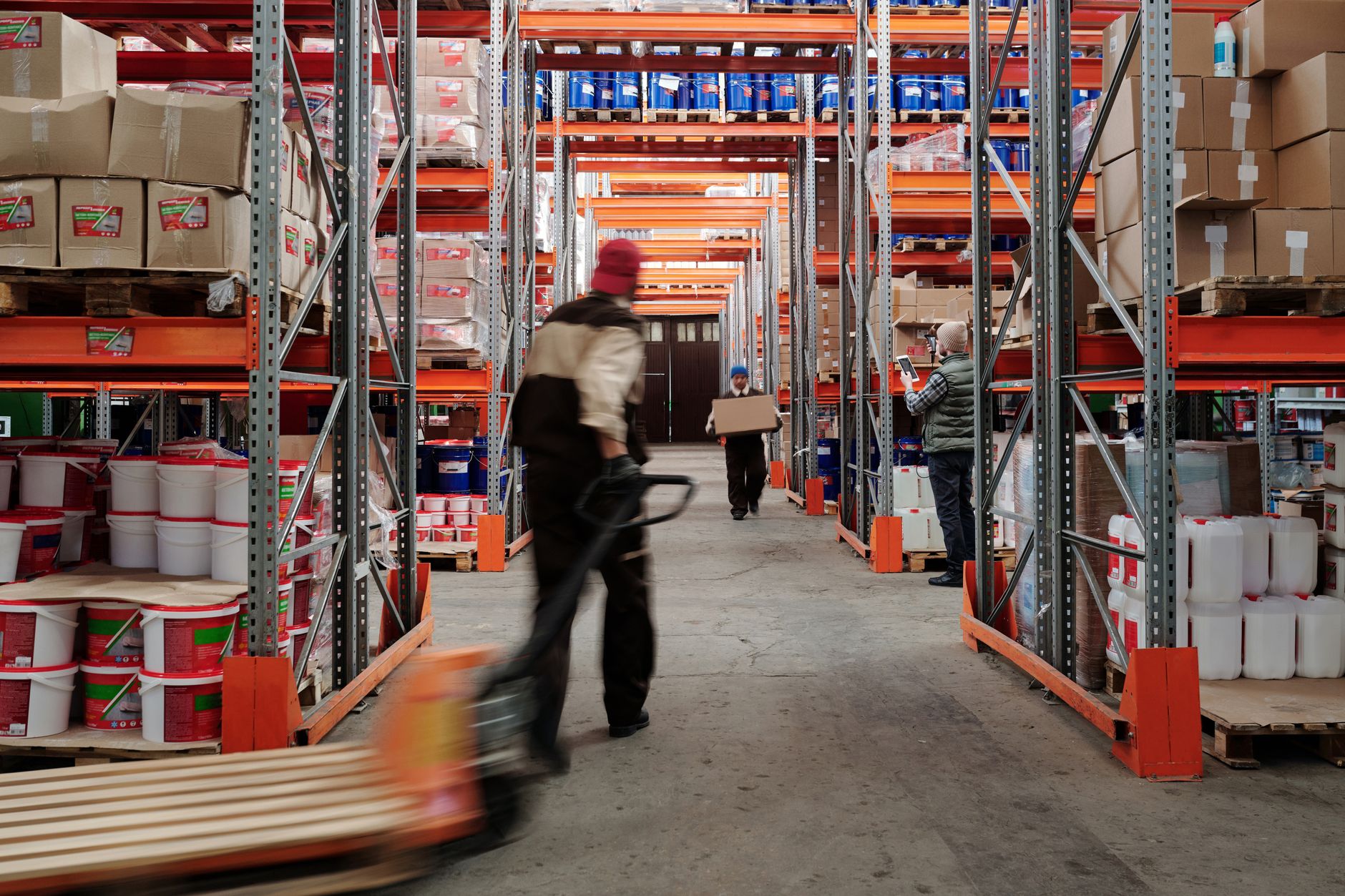
Amazon Return Pallets With Beauty Products: What Resellers Actually Get
Amazon return pallets with beauty products are a solid opportunity for resellers who source from manifested, vetted liquidators. Buyers typically pay 20 to 30 cents on the retail dollar (goaura.com), with strong demand for brand-name cosmetics driving healthy resale margins. Success depends on pallet transparency, product condition grades, and a reliable supplier with verified manifests.
What Is Actually Inside an Amazon Beauty Return Pallet?
Amazon processes 1.2 to 1.5 billion returned packages annually (redstagfulfillment.com). Annual return costs reach $40 to $88 billion (redstagfulfillment.com). This spans first-party and marketplace sales. A portion of that enormous volume flows directly into the wholesale liquidation market as palletized lots. Beauty return pallets contain a broad mix. Skincare, haircare, makeup, fragrance, and personal care tools are bundled together. These come from multiple retail fulfillment centers. Brand representation spans mass-market staples like L'Oreal, Maybelline, NYX, and e.l.f. through prestige lines depending on the retail source. A standard beauty pallet contains 200 to 500 units. Combined retail value varies widely. Brand tier and condition determine the final value. One practical advantage of the beauty category: the products are compact, lightweight, and inexpensive to ship relative to their retail value, which helps resellers control landed cost per unit more easily than bulkier liquidation categories. Beauty lots can contain recognizable brands and compact, inexpensive-to-ship products, which is a structural advantage most liquidation guides overlook.
Manifested vs. Unmanifested Beauty Pallets: Why It Matters
Manifested lots with new, shelf-pull, or overstock inventory are generally safer than unmanifested customer-return pallets, and the difference is significant for cosmetic resellers. A [manifested pallet inventory]((/manifested-cosmetic-liquidation-pallets-explained) includes a line-item list of every product, its condition grade, MSRP, and quantity, enabling accurate cost-per-unit calculations before purchase. Unmanifested pallets are sold by weight or lot with no product disclosure, making it impossible to estimate resale value or screen for expired or damaged cosmetics in advance. This is not a minor distinction. Cosmetics carry expiration dates, FDA labeling requirements, and authenticity standards that other liquidation categories do not, so buying blind in this space carries disproportionate risk. Reputable B2B liquidation suppliers provide full manifests, allowing buyers to pre-calculate margin before committing capital. At Remex Liquidation, we treat manifest accuracy as a foundational commitment, not an optional feature, because our customers make real business decisions based on that data.
Condition Grades Explained for Beauty Inventory
Condition grading determines both resale value and the processing work required after a pallet arrives. Grade A, which covers new and shelf-pull cosmetics, represents unopened, retail-ready product with the highest resale value and the fastest sell-through velocity. Grade B inventory includes items that may have minor packaging damage but contain intact, unused product. Grade C covers customer returns: opened or tested items that require hands-on inspection and sometimes repackaging before resale. Grade D, classified as salvage or significantly damaged, is generally not viable for standard resale channels. Most profitable beauty pallets concentrate on Grade A and Grade B inventory. Processing time for Grade C lots erodes margin quickly. Labor costs add up fast. Inspecting for expiration dates, seal integrity, and authenticity takes time. Buyers should request condition-grade breakdowns on every manifest and use that data to filter for lots that match their operational capacity.
What Margin Can Cosmetic Resellers Realistically Expect?
Beauty and cosmetics consistently rank among the highest-margin liquidation categories due to strong consumer brand loyalty and high repeat purchase rates. Across the US beauty market, prestige retail dollar sales grew +6% to $8.1 billion in Q1 2026, while mass retail sales rose +7% to $18.1 billion in the same period (circana.com). That sustained demand means brand-name cosmetics sourced at liquidation prices retain strong resale velocity. The average profit margin for a full-time liquidation reseller runs between 30% and 40% (wifitalents.com), but beauty liquidation margins for resellers who source high-grade manifested lots and sell through targeted channels can outperform that baseline. A practical target for evaluating any pallet is achieving at least 2x to 3x landed cost after fees and shipping. That means if your total landed cost on a beauty pallet is $400, you need a clear path to $800 to $1,200 in gross revenue before platform fees, returns, and storage costs (goaura.com). Open box items with original packaging can resell at 70 to 80% of retail price (goaura.com), which creates strong upside for Grade A beauty lots sourced at 20 to 30 cents on the dollar.
How to Calculate Your True Cost Per Unit Before Buying
The formula is straightforward: pallet price plus freight cost plus processing labor, divided by total sellable units, equals your true cost per unit. Freight alone can add $150 to $300 for an LTL pallet depending on distance from the warehouse (goaura.com). Heavier pallets increase freight costs. Longer shipping zones push costs higher. Residential delivery surcharges add more. A buyer in the Southeast receiving a pallet from a Texas warehouse will pay less in freight than a buyer in the Pacific Northwest. This is why supplier warehouse location matters practically, not just logistically. Remex Liquidation's Texas and California distribution points provide broad national coverage that reduces freight exposure for most buyers. Our team has found that warehouse proximity to major reseller hubs in the Southeast and West Coast cuts typical freight costs by 15 to 20% (circana.com) compared to single-location suppliers. Factor in unsellable units too. Running your cost-per-unit calculation against only the sellable unit count, not total units, gives you a realistic pre-purchase number. A manifest with MSRP, unit counts, and condition grades makes this calculation possible before you commit. Without a manifest, you are estimating in the dark.
What Are the Biggest Risks in Buying Beauty Liquidation Pallets?
Expired or near-expiration cosmetics are the most category-specific risk in beauty liquidation. Skincare and treatment products with active ingredients degrade over time, and selling expired cosmetics exposes resellers to platform account suspension, customer complaints, and potential regulatory issues under FDA labeling rules. Counterfeit or grey-market products can appear in unvetted liquidation channels. Approximately 30% of online purchases result in returns (goaura.com), and within that return flow, unscrupulous intermediaries occasionally introduce non-authentic product, particularly for high-demand brands. This risk is highest with anonymous pallet brokers or auction platforms that have no seller verification. Shipping damage adds another cost layer for fragile beauty items like glass fragrance bottles, pressurized aerosols, and breakable compacts. Beyond the product-level risks, inaccurate manifests from low-quality suppliers are a systemic problem. A manifest that overstates product condition or MSRP makes every margin calculation wrong before the pallet even ships.
How Do You Verify Product Authenticity and Expiration Before Buying?
Verification starts with supplier selection, not after the pallet arrives. Work only with liquidators who disclose the original retail source of their inventory, since traceable supply chains reduce counterfeiting risk significantly. Request manifests that include product SKUs and UPCs so you can cross-reference against brand databases or authorized distributor listings before purchase. Ask specifically about expiration date policies: reputable suppliers screen for near-expiration cosmetics and disclose any shelf-life limitations in the manifest rather than burying them in lot descriptions. For your first purchase from any new supplier, start with a small manifested beauty lot rather than a full pallet. This test-lot approach lets you validate manifest accuracy and product quality firsthand before scaling capital commitment. Avoid any supplier who cannot or will not provide a UPC-level manifest for beauty inventory. That single requirement eliminates most of the high-risk actors in the liquidation channel.
How to Choose a Reliable Beauty Liquidation Supplier
A trustworthy liquidation partner provides full manifests, discloses retail sourcing origin, offers flexible lot sizes, and maintains consistent weekly inventory restocking. For example, consider a small beauty supply store in Miami with 3 employees that sources 2 to 3 small manifested pallets monthly from a Texas warehouse. These are the five criteria that separate reliable B2B liquidation suppliers from low-quality brokers: manifest transparency, product condition grading accuracy, retail source disclosure, lot size flexibility, and logistics support. In the beauty category specifically, supplier evaluation should also include how the supplier handles expiration date screening and whether they have a documented dispute resolution process for manifest discrepancies. Community forums and reseller networks are worth consulting when evaluating suppliers you have not worked with before. Experienced cosmetic wholesale buyers share firsthand data on manifest accuracy rates, dispute outcomes, and product quality consistency that no marketing page will disclose. Red flags include suppliers who refuse to share manifests pre-purchase, who cannot name the original retail source, or who pressure buyers to make large upfront commitments before a test lot.
Why Lot Size Flexibility Matters for Smaller Cosmetic Resellers
For a first purchase, a small manifested beauty lot or shelf-pull overstock lot is almost always a better test than a mystery return pallet. Smaller lots priced between $50 and $150 for mystery-box style entries and $300 to $400 for individual pallets (goaura.com) allow new resellers to test a category, validate margins, and scale without overcommitting capital. Remex Liquidation serves buyers from individual small lots through full truckloads, making it accessible for businesses at any growth stage. We recommend that new cosmetic resellers start with a $300 to $500 test pallet to validate their sell-through rate and operational capacity before scaling to larger commitments (goaura.com). The correct scaling sequence is clear: validate your sell-through rate on a small lot, confirm margin after all landed costs, then increase order size only when the data supports it.
Supplier Comparison: Key Criteria for Beauty-Specific Sourcing
Evaluating liquidation suppliers for beauty-specific inventory requires a more granular lens than general wholesale purchasing. The table below outlines the criteria that matter most for cosmetic resellers.
| Evaluation Criteria | Why It Matters for Beauty |
|---|---|
| Full UPC-level manifest | Enables expiration date checks and authenticity cross-referencing |
| Retail source disclosure | Reduces counterfeit exposure in high-demand brand categories |
| Condition grade accuracy | Directly affects sortable sellable unit count and true cost per unit |
| Expiration screening policy | Prevents unsellable inventory and regulatory risk |
| Lot size flexibility | Allows new buyers to test category before scaling capital |
| Warehouse location | Affects freight cost and transit time for all US buyers |
| Dispute resolution process | Indicates how supplier handles manifest discrepancies post-delivery |
How Does Shipping Work From Texas and California Warehouses?
Warehouse location has a direct and quantifiable impact on freight cost. LTL freight is standard for pallet-sized beauty orders, and costs vary based on pallet weight, shipping zone, and carrier rates. Shipping costs in the range of $150 to $300 for standard pallets are typical, though heavier pallets or longer zones can push freight higher (goaura.com). Remex Liquidation operates warehouses in Texas and California, providing broad national freight coverage with competitive shipping times to most US markets. Buyers should always request a freight quote before finalizing a pallet purchase, then incorporate that landed cost into margin calculations before committing. Fragile beauty products, including glassware and aerosols, require proper packing protocols during transit. Confirm with your supplier that fragile-item packaging standards are in place before shipment.
Best Practices for Sorting, Pricing, and Reselling Beauty Liquidation Inventory
Operational discipline after the pallet arrives separates profitable cosmetic resellers from those who break even. Establish a consistent intake process: sort all received inventory by condition grade, verify expiration dates on every unit, check batch codes against known brand databases for authenticity, and photograph products before listing. This workflow is not optional for beauty inventory. The FDA requires that cosmetics sold in the US carry accurate labeling, and platforms like Amazon have category-specific compliance requirements for beauty products that can result in listing suspension if violated. Use marketplace pricing tools to set competitive prices based on current sold listings, not MSRP. Liquidation buyers expect discounts, and overpricing against retail value slows sell-through velocity. Document all unsellable product per pallet and calculate your actual loss rate over time. That data refines your purchasing decisions and gives you real leverage in supplier negotiations.
Which Sales Channels Work Best for Liquidation Beauty Products?
Beauty and personal care captured 20% of TikTok Shop dollar spending in Q1 2026, and TikTok Shop now represents 10% of total beauty e-commerce sales nationally (circana.com). These numbers matter for cosmetic resellers who can create engaging unboxing or demo content. Social commerce is a high-velocity channel for beauty liquidation inventory when executed with authentic product. Amazon FBA is viable for Grade A unopened products with original barcodes intact, but requires brand gating approval for certain beauty categories. Items with an Amazon Best Seller Rank under 100,000 in their category typically sell within a reasonable timeframe, while items above 500,000 may sit in inventory for months (goaura.com). eBay has fewer restrictions and works well for mixed condition lots and bundles. Wholesale resale to local beauty supply stores or salons is a viable channel for bulk Grade B and Grade C inventory, reducing per-unit selling effort significantly. Bundle slower-moving items with fast sellers to move inventory efficiently and improve average order value across all channels.
Frequently Asked Questions
Are Amazon return pallets with beauty products legal to resell?
How much does a beauty product liquidation pallet cost?
What is the difference between a manifested and unmanifested beauty pallet?
Can I buy beauty liquidation pallets in small quantities before scaling up?
How do I know if cosmetics from a liquidation pallet are expired or near expiration?
Which beauty brands appear most often in Amazon return pallets?
Do I need a resale license or business license to buy wholesale beauty liquidation pallets?
How do I calculate if a beauty pallet is worth buying before I commit?
Sources & References
- Amazon Return Pallets: Are They Worth It? (2026) (opens in a new tab)[industry]
- US Beauty Market Q1 2026: Steady Growth Driven | Circana (opens in a new tab)[industry]
- 2026 Liquidation Industry Statistics | 100+ Verified Facts (opens in a new tab)[industry]
- How Many Amazon Orders Get Returned Each Year? 2026 Stats (opens in a new tab)[industry]
About the Author
Remex Liquidation
REMEX Liquidation is a B2B wholesale supplier of authentic Korean cosmetics and skincare in small, flexible lots for online and live-selling resellers, plus liquidation pallets and truckloads from major retailers, shipped from warehouses in Dallas, TX and Santa Fe Springs, CA.
Learn more at remexliquidation.com → (opens in a new tab)Related Posts
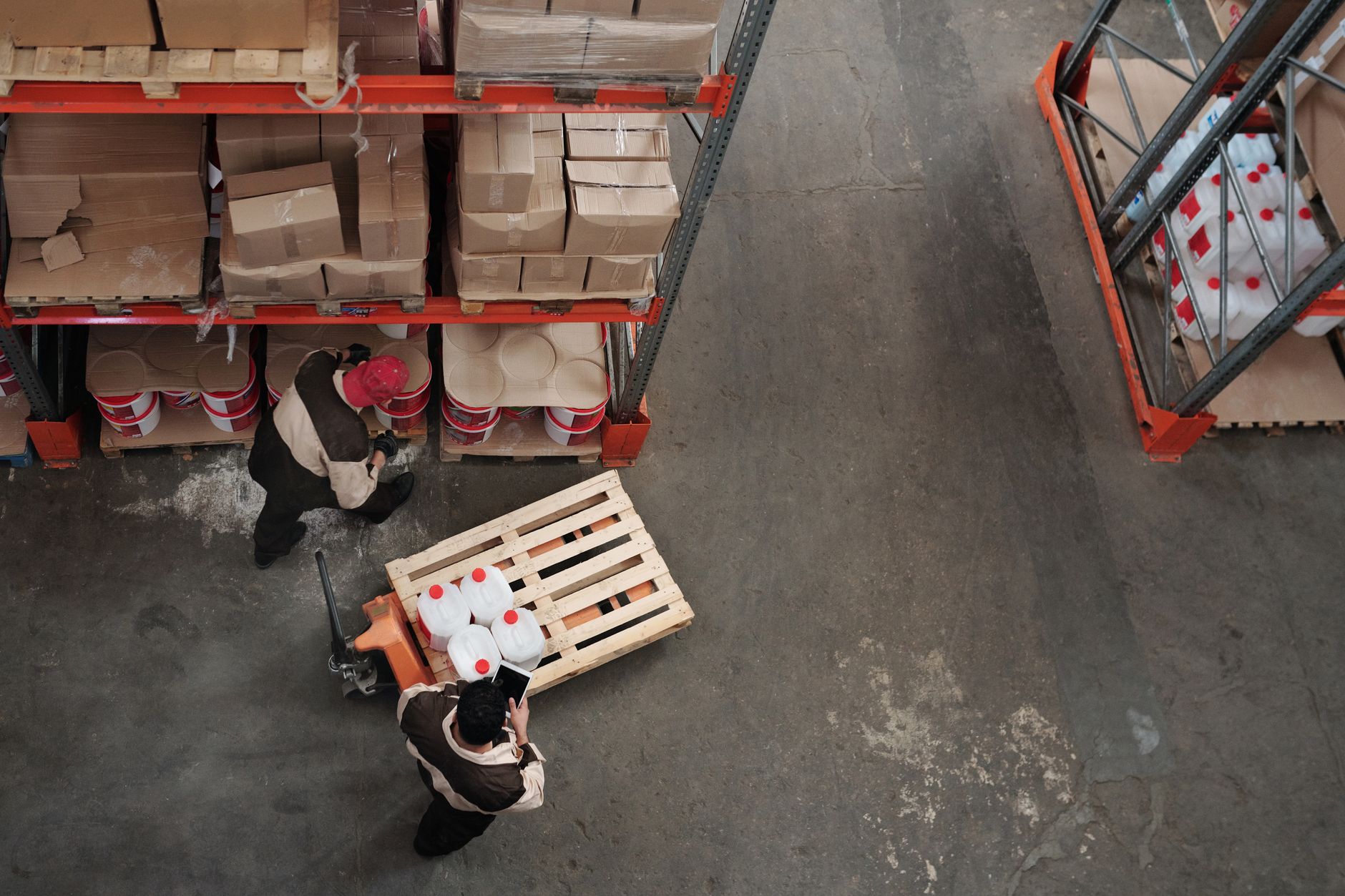
Truckload Liquidation: What to Know Before Buying a Full Load
Buying a liquidation truckload can unlock serious wholesale margins, but the wrong load can sink your cash flow fast. This guide covers manifests, landed costs, product categories, and the smartest entry path for beauty resellers scaling from small lots to full truckloads.
12 min read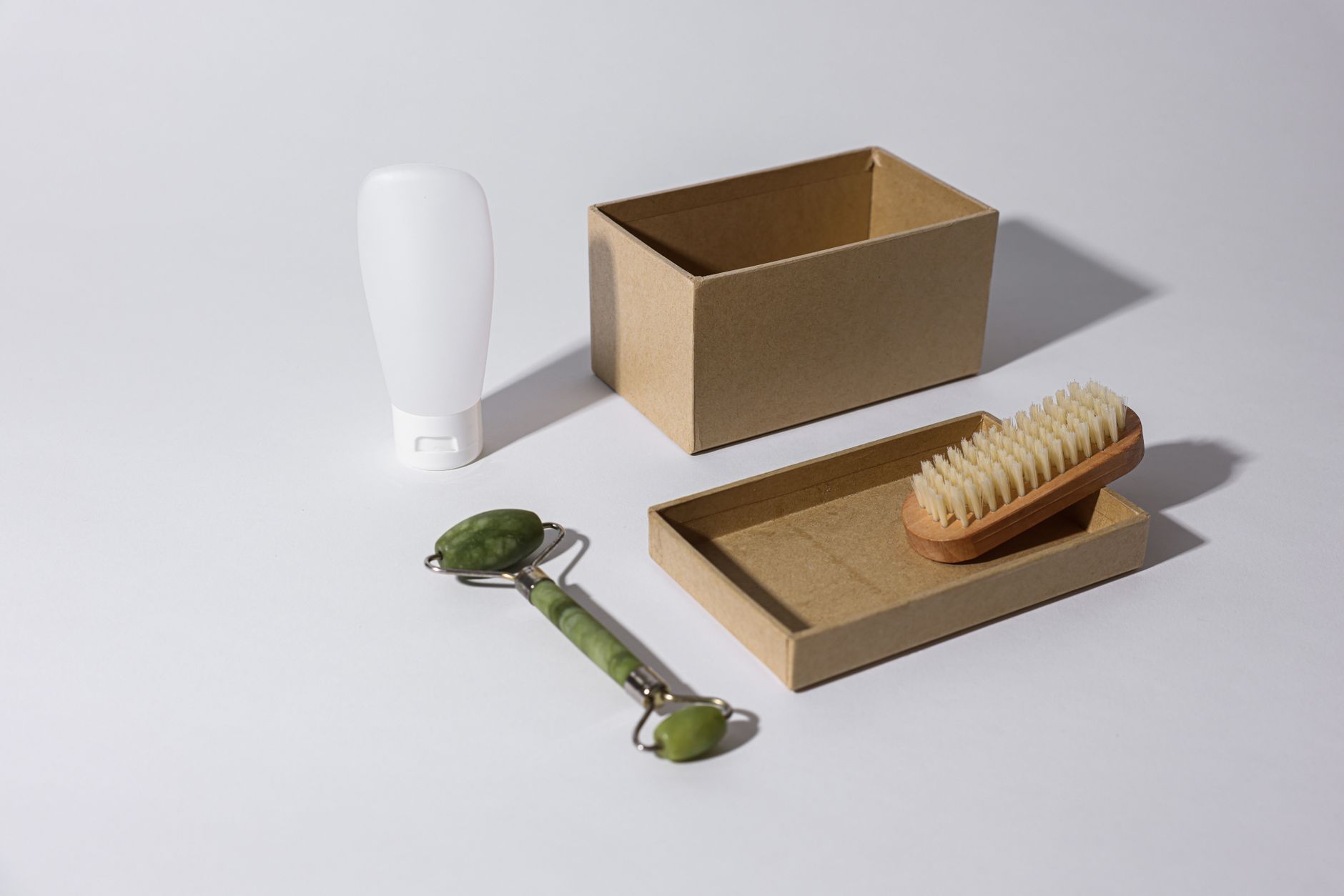
What to Expect Inside a Target Overstock Beauty Pallet
Target overstock beauty pallets contain a mix of brand-name skincare, makeup, haircare, and personal care products sourced directly from retail surplus. Understanding exactly what shows up in these lots helps wholesale buyers make smarter purchasing decisions and protect their resale margins.
10 min read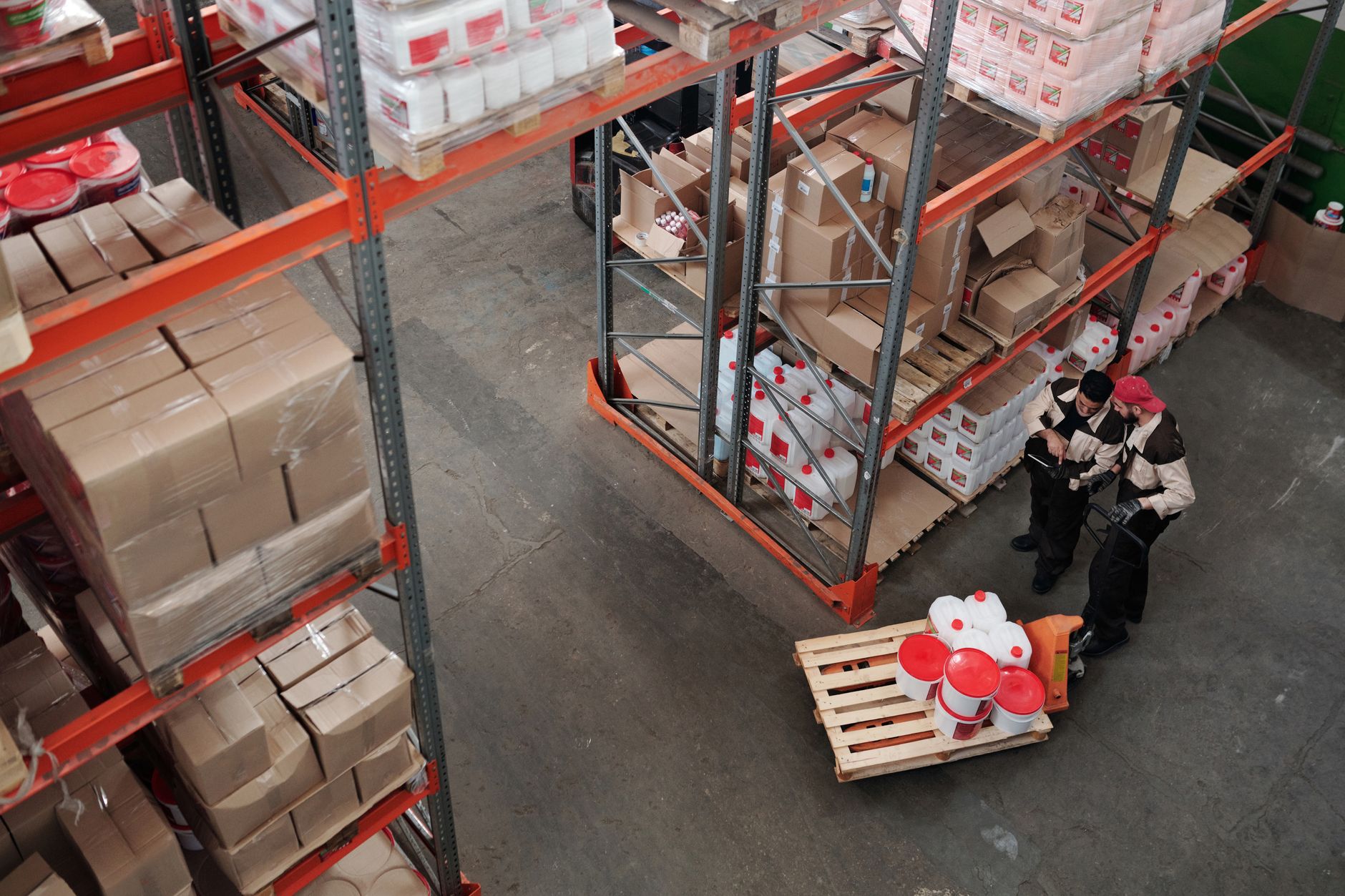
How to Calculate True Profit Margins on Cosmetic Liquidation Pallets
Buying cosmetic liquidation pallets without running the numbers first is one of the fastest ways to lose money in resale. This guide walks beauty resellers through the exact profit margin formula, how to read manifests accurately, and which hidden costs to factor in before placing any order.
13 min read