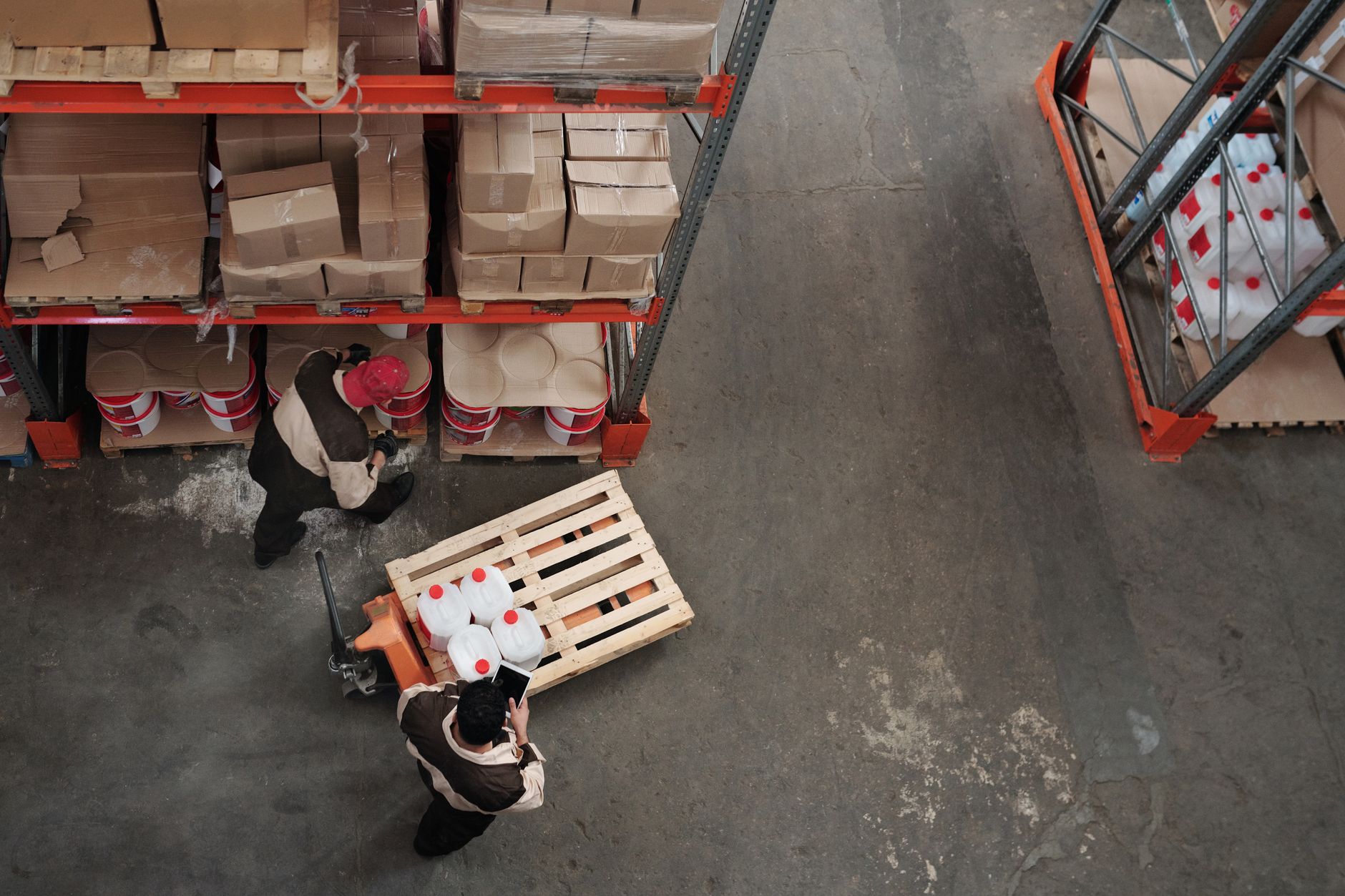
Before buying a liquidation truckload, verify the manifest accuracy, calculate your total landed cost including freight, understand the product category and condition grades, and confirm the supplier's return policy. New sellers should start with smaller lots to test inventory quality before committing to a full load.
What Is a Liquidation Truckload and How Does It Work?
A liquidation truckload is a full 53-foot trailer of unsold, overstock, or returned merchandise purchased from retailers or wholesalers at a fraction of MSRP. These loads move through a defined supply chain: a major retailer like Amazon, Target, or SHEIN generates excess inventory through overstock, shelf pulls, customer returns, or end-of-season clearance, then offloads it to a liquidator or broker, who resells it in bulk to wholesale buyers. Pricing reflects proximity to the original source, buyers closer to the retailer pay less per unit. A full truckload typically holds 24 to 28 pallets of merchandise, which translates to 1,000 to 6,000 or more individual units depending on product size and density. That physical scale has real implications: you need warehouse space, a receiving crew, and existing resale channels before a truckload purchase makes financial sense. This is a high-volume play, not a starter move. Truckload platforms like B-Stock, Liquidation.com, Direct Liquidation, and Bulq operate auction-style markets for these loads. Specialized suppliers like Remex Liquidation offer curated category loads, particularly in Korean beauty, with more predictable product composition. In our experience, category-specific curation reduces sorting time by 30% to 40% compared to mixed-load alternatives, which directly improves your per-unit processing cost (gitnux.org).
Return volumes drive this entire market. Across US e-commerce, the average online return rate runs about 15% of all orders (gitnux.org). Apparel is far worse, US apparel retailers report return rates of 30% to 35% on average (gitnux.org). The NRF and Happy Returns put the 2025 online return rate specifically at 19.3% (size.ly). That volume of returned goods has to go somewhere, and liquidation is where most of it lands.
What Kinds of Products Typically Fill a Liquidation Truckload?
Product category shapes everything: your cost per piece, your processing time, your loss rate, and your resale velocity. Amazon HPC (Health, Personal Care) truckloads are among the most sought-after for beauty resellers because brand recognition drives fast sell-through. Target shelf-pull loads often include cosmetics, skincare, and household goods in original packaging with no evidence of customer use, making them closer to new-overstock quality. SHEIN and fashion-first loads tend to be mixed apparel and accessories with variable condition, a high-volume category, but one that demands significant sorting labor before anything goes to market. Beauty and cosmetics loads command premium resale margins because consumer brand loyalty accelerates inventory turnover in ways that general merchandise cannot match. Confirm the dominant product category before committing. A load marketed as "general merchandise" could be heavily weighted toward low-value items that inflate the unit count while collapsing the per-unit margin.
What Condition Grades Should Buyers Expect?
Grade A covers new or like-new merchandise, typically shelf pulls or overstock in original, undamaged packaging. Grade B covers customer returns where the packaging has been opened but the product remains intact and usable. Grade C represents salvage or heavily mixed condition, where a meaningful percentage of units will be unsellable after sorting. Grade D, used by some brokers, signals damaged or incomplete items sold primarily for parts or disposal value. For cosmetics specifically, Grade A is the only condition level safe for retail resale under FDA guidance on cosmetic product labeling and safety. Selling opened or used cosmetics without proper testing or labeling disclosure carries real legal exposure. Recovery can vary substantially by condition: new overstock generally performs much better than untested customer returns, where loss rates on a beauty load can reach 15% (gitnux.org) to 20% of total units. Get the condition grade in writing. Verbal assurances carry no weight after money changes hands.
How to Read a Liquidation Manifest Before You Commit
A manifest is a line-by-line inventory list that details item names, quantities, retail prices (MSRP), and often UPC codes or condition codes. It is your primary due-diligence tool before any truckload purchase. Not every liquidator provides one. Unmanifested loads, sold with a general category description and a unit count, carry significantly higher risk and should only be bought by experienced resellers with flexible resale channels that can absorb surprises. When a manifest is available, cross-reference the listed MSRP figures against live retail prices on Amazon, Target.com, or Walmart. Outdated or inflated MSRP values are a common way poorly performing loads are dressed up to look more attractive than they are. A reasonable recovery rate, your purchase price as a percentage of the total manifest MSRP, falls between 10% and 15% (gitnux.org) on a genuine manifested cosmetic liquidation load. For beauty-specific loads, verify that cosmetics represent a meaningful share of the manifest, not just a headline SKU used to justify a premium price on a load dominated by lower-margin goods.
Request lot photos or video walkthroughs alongside the manifest. A supplier unwilling to share either deserves immediate disqualification from your shortlist. Photos catch pallet damage, moisture exposure, and condition inconsistencies that no spreadsheet captures.
What Red Flags in a Manifest Signal a Bad Deal?
Several warning signs appear repeatedly in truckload purchases that go wrong. Vague category descriptions like "general merchandise" or "mixed goods" with no unit-level detail is the most common. No UPC or ASIN data is a close second, because without item-level identifiers you cannot verify individual products before payment. Watch for unusually high unit counts relative to the load's shipping weight: lightweight, low-value filler inflates unit totals while deflating the value per piece. A single blanket condition code applied to an obviously mixed-grade load is another red flag. A supplier who refuses to share photos or video of the actual load being sold is the clearest signal of all. Fraud in the liquidation wholesale space is not rare. A supplier who can produce a verified chain of custody, references from repeat buyers, and photo documentation is earning your business. One who cannot should not receive your money.
How to Calculate the True Landed Cost of a Liquidation Truckload
Landed cost is the total amount you pay before selling a single unit. It has four components: the purchase price, inbound freight, receiving and processing labor, and an allowance for the loss rate on unsellable units. Skipping any one of these produces a cost-per-piece figure that will make your first load look profitable on paper and painful in reality. Here is a worked example. Assume a 3,000-unit beauty truckload purchased for $12,000. Apply a 15% (gitnux.org) loss rate for damaged or unsellable units, leaving 2,550 sellable units. That math changes the margin story significantly.
For buyers scaling from small lots, Remex Liquidation ships from warehouses in Dallas, TX and Santa Fe Springs, CA, which makes landed cost calculations more predictable for West Coast and South-Central buyers than bidding on national auction platforms with variable freight origins. At Remex Liquidation, we position our warehouses specifically to serve regional cost efficiency, and our repeat buyers report that freight predictability alone justifies the scale-up pathway we built into the box-to-pallet-to-truckload progression. That benchmark is useful when evaluating whether a larger load's cost per piece is actually competitive.
What Is a Realistic Cost-Per-Piece Target for Beauty Liquidation Loads?
Live-selling platforms like Whatnot and TikTok Shop can support higher per-unit sell prices because entertainment-driven purchasing creates premium moments that static listings cannot replicate, which improves the margin window even on slightly higher cost-per-piece inventory. A simple spreadsheet does the job: total landed cost divided by expected sellable units gives your floor price. Your average sale price minus platform fees and outbound shipping gives your ceiling. The margin between those two numbers is your business.
Physical Logistics: What a Truckload Actually Requires
Truckload buying is not just a financial commitment. It is a logistics commitment that many first-time buyers underestimate. A full 53-foot trailer carries roughly 24 to 28 standard pallets. Unloading that volume requires a commercial receiving address with a loading dock or dock-height access, a forklift or pallet jack rated for the load, defined receiving hours that align with the carrier's delivery window, and adequate staging space inside the warehouse to hold the entire load while it is sorted. Residential addresses cannot receive full truckloads. Carriers will not deliver to a home address, and attempting to arrange it creates freight refusal, redelivery charges, and storage fees that compound quickly. If you do not have a commercial dock, you need either a third-party warehouse partner who can receive on your behalf or a cross-dock arrangement. Both add cost to your landed calculation. LTL (less-than-truckload) shipments are more flexible for smaller loads, but full truckloads require the full commercial infrastructure. Plan for this before placing an order, not after the carrier calls for delivery instructions.
How to Scale from Small Lots to Pallets and Truckloads Without Overcommitting
The most expensive mistake in liquidation buying is skipping the test-lot phase and committing a large capital outlay to an unproven supplier or category. A structured scale-up path reduces financial risk at every stage. The progression looks like this: start with one box, validate sell-through velocity and average sale price, then move to five to eleven boxes, then a pallet, then a truckload. Each step should be justified by actual sales industry research, not by optimism about the next one. For Korean beauty specifically, this matters more than in most categories. Beauty products have brand-specific demand curves, and a product that moves fast on Whatnot in one market may sit unsold on TikTok Shop in another. Testing at the box level lets you identify which product types resonate with your actual audience before you stake thousands of dollars on a pallet that may not match their preferences. A failed pallet commitment can tie up real capital in slow-moving inventory for months.
Remex Liquidation is built for this progression. Volume discounts begin at 12 boxes, making bulk buys meaningfully cheaper per piece. Five or more boxes require an LTL freight quote, which Remex provides directly via WhatsApp at (434) 333-9857 or through the contact page. Products are new, in original manufacturer packaging, authentic Korean beauty brands. Inventory rotates regularly, so confirm current lot contents with Remex before ordering. When you are ready to discuss pallet or truckload quantities, the same contact channel applies.
Why Beauty Resellers Start with Small Lots Before Pallets
The economics favor patience. That data answers the questions a manifest cannot: which product formats your audience responds to, what price points move quickly versus stall, and whether the K-beauty category fits your channel at all. Live-selling audiences respond differently to different beauty formats and brand aesthetics. Testing first is not timidity. It is the discipline that keeps your cash flow intact while you build the audience data that justifies scaling. Run the show, record the results, then decide whether a 12-box order or a pallet quote makes sense for your next restock.
What Remex Liquidation Offers for Buyers Scaling Up
Remex Liquidation's structure matches the scale-up path directly. One box gets you in the door with minimal risk. Volume pricing at 12 boxes rewards buyers who have validated demand and are ready to move more product. LTL freight quotes for five-plus box orders and truckload availability for larger operations are both accessible through the same contact channel. Ships from Dallas, TX and Santa Fe Springs, CA, with FOB CA pricing. All products are new, in original manufacturer packaging, authentic Korean cosmetics. Reach the team via WhatsApp at (434) 333-9857 or the Remex contact page to confirm current lot contents and discuss volume options.
How to Vet a Liquidation Supplier Before Sending Money
Supplier vetting is the single most critical due-diligence step in liquidation buying. This is especially true for cosmetics, where counterfeit products and misrepresented condition grades represent genuine legal and financial exposure. Start with references from current buyers who have completed multiple shipments, not just first-order testimonials. A supplier who can deliver a satisfying first box but degrades on quality by the third order is a documented pattern in this industry. Our team has found that requesting quality confirmations in writing for every order, not just the first one, eliminates the degradation issue because it creates accountability at scale. Ask for a clear sourcing statement: what retailer did this inventory originate from, was it overstock or customer returns, and what documentation supports that claim? Verify any cosmetics load is new and in original manufacturer packaging before purchase. Opened or used cosmetics cannot be legally resold as-is under FDA cosmetic regulations without proper disclosure and safety verification (fda.gov).
Check third-party review platforms including Google, Trustpilot, and the BBB for complaint patterns. A single negative review may reflect an outlier; repeated complaints about misrepresented condition grades, missing units, or unresponsive dispute resolution are structural signals. Review the return and dispute policy in writing before any payment. Most legitimate liquidators operate all-sales-final policies, which makes pre-purchase research non-negotiable. Verbal assurances about product quality or composition are not enforceable after the wire clears. Do not skip this step under time pressure from an auction countdown or a "limited availability" sales push. Scarcity framing is a common manipulation tool in low-transparency wholesale markets. Results speak louder. A supplier's track record across multiple buyers and multiple shipments is the only reliable signal.
Liquidation Entry Points Compared: Small Box vs. Pallet vs. Truckload
Choosing the right entry point depends on your capital, your warehouse capacity, your resale channels, and how much data you already have about your audience's preferences. The table below compares the three primary options across the factors that matter most to beauty resellers.
The small lot box entry point exists specifically for sellers who want to test before they scale. Armed with that data, she moves to a 12-box order the following week, confident her audience prefers hydration-focused products, and adjusts her sourcing strategy accordingly. It is not a consolation prize for buyers who cannot afford a pallet. It is the responsible starting point for any reseller who does not yet have verified sell-through data on Korean cosmetics wholesale with their specific audience.
Frequently Asked Questions
How much does a liquidation truckload cost on average?
What is the difference between a manifested and unmanifested liquidation load?
Can I buy liquidation beauty products in smaller quantities before committing to a truckload?
How do I calculate whether a liquidation truckload is profitable before I buy?
What are the biggest risks of buying a liquidation truckload of cosmetics?
How does shipping work for liquidation pallets and truckloads from California and Texas?
Where can I sell Korean beauty products purchased through liquidation?
How do I verify that liquidation cosmetics are authentic and not counterfeit?
Sources & References
About the Author
Remex Liquidation
REMEX Liquidation is a B2B wholesale supplier of authentic Korean cosmetics and skincare in small, flexible lots for online and live-selling resellers, plus liquidation pallets and truckloads from major retailers, shipped from warehouses in Dallas, TX and Santa Fe Springs, CA.
Learn more at remexliquidation.com → (opens in a new tab)Related Posts
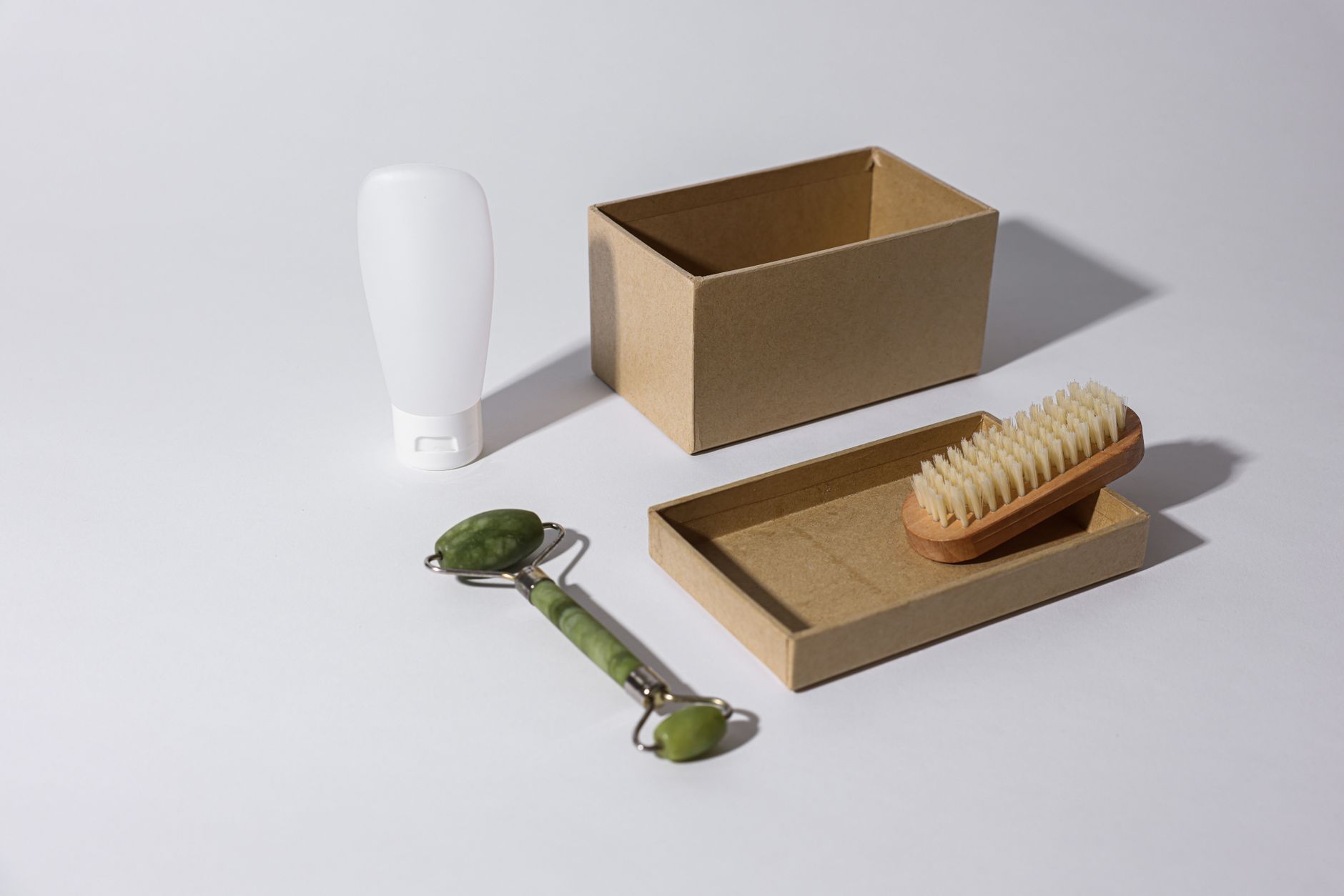
What to Expect Inside a Target Overstock Beauty Pallet
Target overstock beauty pallets contain a mix of brand-name skincare, makeup, haircare, and personal care products sourced directly from retail surplus. Understanding exactly what shows up in these lots helps wholesale buyers make smarter purchasing decisions and protect their resale margins.
10 min read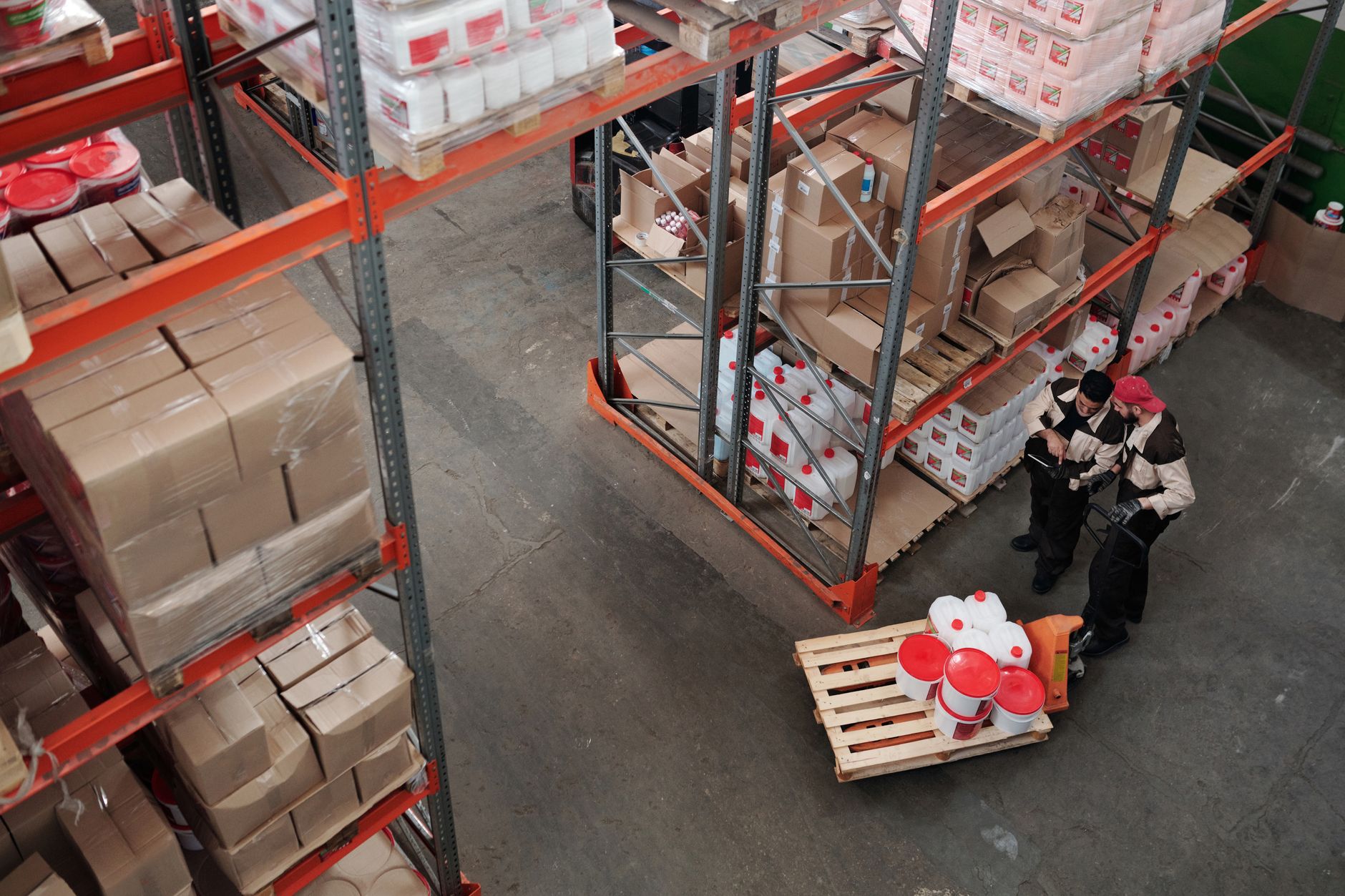
How to Calculate True Profit Margins on Cosmetic Liquidation Pallets
Buying cosmetic liquidation pallets without running the numbers first is one of the fastest ways to lose money in resale. This guide walks beauty resellers through the exact profit margin formula, how to read manifests accurately, and which hidden costs to factor in before placing any order.
13 min read
How to Read a Cosmetic Liquidation Manifest Like a Pro Buyer
A cosmetic liquidation manifest is your most powerful tool for avoiding bad buys, but only if you know what to look for. This guide walks you through every column, flag, and red flag so you can evaluate lots with confidence, protect your margins, and build a reliable beauty resale business.
13 min read