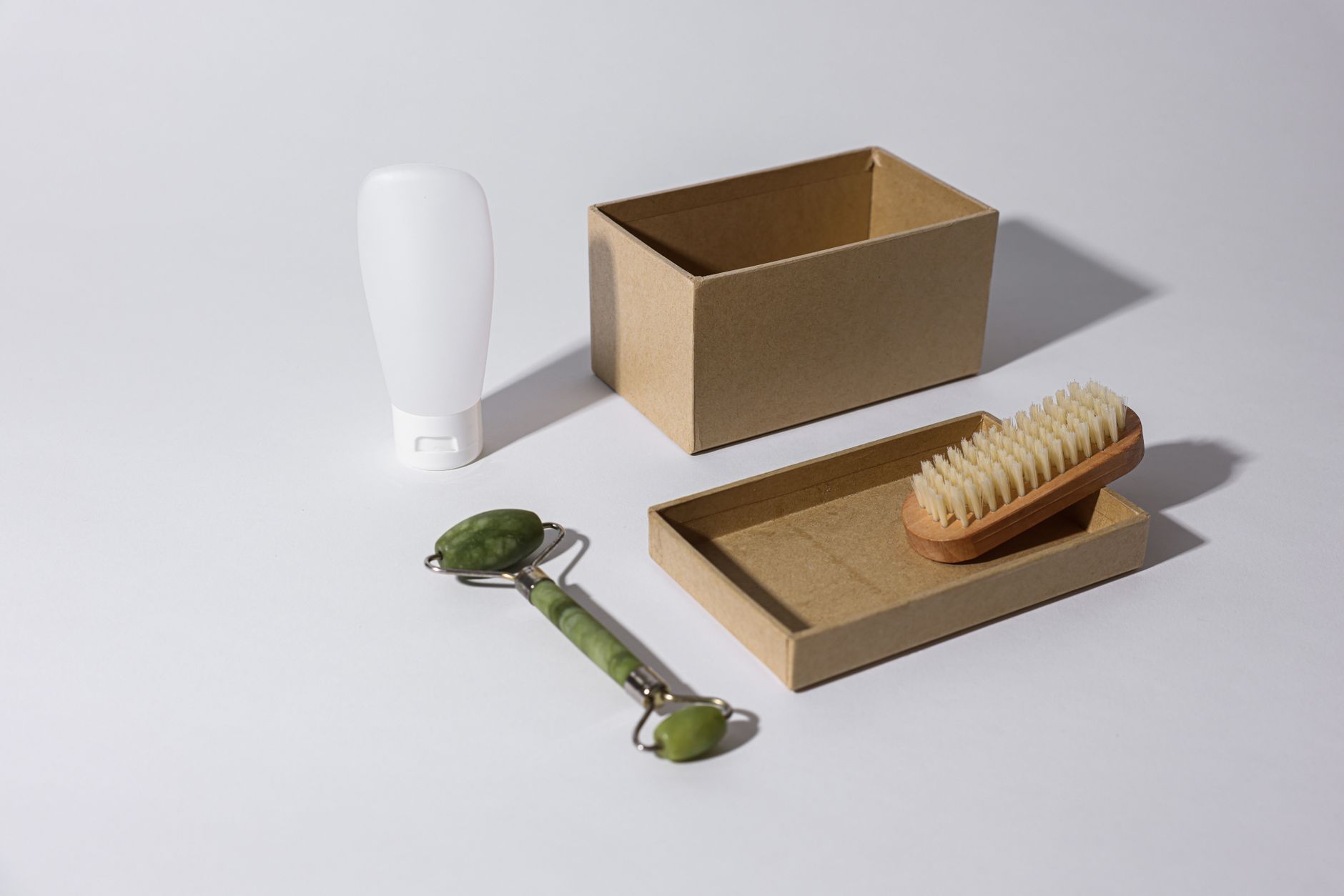
Target overstock beauty pallets typically include brand-name skincare, foundation, eyeshadow, lipstick, haircare tools, and personal care products from brands like NYX, e.l.f., Maybelline, L'Oreal, and CeraVe. Inventory originates from shelf pulls, seasonal clearance, and overstock.
What Product Categories Show Up in Target Beauty Overstock Pallets?
Target beauty overstock pallets draw from five core categories: color cosmetics, skincare, haircare, personal care, and beauty tools or accessories. Color cosmetics typically represent the highest volume in any given lot. Buyers regularly encounter foundation, mascara, eyeshadow palettes, lipstick, and concealer from widely recognized brands. The US beauty market is growing fast, with mass retail beauty sales reaching $39.2 billion in just the first half of 2026 (circana.com), which means Target carries deep SKU counts across every subcategory. That depth is exactly what drives the volume and variety of overstock beauty pallets into the secondary market. Skincare is a particularly strong subcategory in these lots, and it now commands 36.6% of category share within the mass beauty and personal care market (factmr.com). For cosmetic wholesale buyers, this category breakdown translates directly into what ends up on your receiving dock.
Which Brands Appear Most Frequently in Target Beauty Lots?
Drugstore powerhouses dominate Target beauty pallets. NYX Professional Makeup, e.l.f. Cosmetics, Maybelline, L'Oreal Paris, and Revlon are the most common color cosmetics brands. Skincare lots regularly include CeraVe, Neutrogena, Aveeno, and Olay, all of which carry proven retail demand that translates well into secondary channels. Beyond the core drugstore lineup, Target's expanding specialty assortment means that premium accessible brands like The Ordinary, Pixi, and Pacifica occasionally surface in overstock runs. Target-exclusive and private-label lines such as Versed and Starface show up in seasonal clearance lots, particularly after major retail reset periods. The K-beauty section has grown significantly at Target in recent years, and Korean cosmetics brands including COSRX, Some By Mi, and Innisfree now appear with increasing regularity in bulk beauty products lots. Prestige skincare sales grew +9% in the first half of 2026 (circana.com), which confirms strong consumer demand for the exact brands that flow through Korean cosmetics wholesale and specialty overstock channels.
How Does Inventory Condition Vary Across a Beauty Pallet?
Overstock generally means unopened merchandise. This is one of the most important distinctions in beauty liquidation, and it is frequently misunderstood. True overstock pallets consist of surplus units that never left the warehouse or were pulled from shelves before reaching a customer's hands. They are new, sealed, and in retail-ready condition. This is not the same as a customer return pallet. That said, a single lot may contain a blend of condition grades. At Remex Liquidation, we grade every unit in our pallets and provide detailed breakdowns so you know exactly what condition mix you're purchasing. Standard grades run from Grade A (new and sealed), to Grade B (shelf wear or open box), to Grade C (damaged or incomplete). The ratio across these grades varies by lot sourcing type, which is why manifested pallets from vetted suppliers provide a meaningful advantage. At Remex Liquidation, we disclose condition grade breakdowns in our manifests before buyers commit to a purchase, so there are no surprises when the pallet arrives at your warehouse.
How Are Target Overstock Beauty Pallets Sourced and Priced?
Target generates overstock through several distinct triggers: seasonal resets when the beauty aisle is re-planogrammed, SKU discontinuations when brands reformulate or retire shades, excess purchasing against demand forecasts, and end-of-season clearance cycles. These goods do not sell directly to the public at reduced prices indefinitely. Instead, after internal markdown cycles, they move through authorized liquidation channels and reach wholesale distributors before landing on a pallet buyer's dock. Understanding this supply chain matters. Buyers who skip the authorized channel layer and source from secondary brokers introduce significant risk: authenticity gaps, missing lot documentation, and inflated acquisition costs relative to actual product value. The global beauty and personal care products market is projected to reach $580.65 billion in 2026, growing at a 6.1% CAGR (researchandmarkets.com), which keeps retailer SKU counts high and ensures a steady flow of overstock inventory into liquidation channels throughout the year.
Pricing on beauty pallets is quoted as a percentage of MSRP, commonly described as cost-on-cost. Buyers typically access these lots at 10 to 30 cents on the retail dollar. The exact percentage depends on condition grade mix, brand composition, and whether the lot is manifested. Manifested pallets carry a slight premium over unmanifested lots, but that premium is almost always justified. A manifested beauty pallet lists every SKU, brand, unit count, and MSRP, giving buyers the data needed to calculate margin before wiring any money. Unmanifested lots sell cheaper upfront but carry real margin risk if a large portion of items turn out to be unsellable personal care basics or near-expiry skincare. Buyers who skip manifest verification often discover their true cost-per-sellable-unit is far higher than the headline pallet price suggested.
Why Does Manifested vs. Unmanifested Status Matter for Beauty Buyers?
The manifest is the single most important document in a beauty pallet transaction. For color cosmetics and skincare, item-level data lets buyers identify whether a lot skews toward high-margin items like foundation and eyeshadow palettes or toward low-margin basics like generic body wash and travel-size conditioner. For skincare and sun care products regulated as OTC drugs by the FDA, manifests from reputable suppliers sometimes include lot codes that can be cross-referenced with brand guidelines to verify product age. This protects buyers from reselling expired sunscreen or acne treatments, which carry real liability. Buyers should always request a sample manifest from a recently sold lot before committing to any new supplier. That sample reveals whether the manifest data is accurate, granular, and formatted in a way that supports actual margin calculation. Sloppy or incomplete manifests are a red flag. Reliable manifests list unit-level MSRP and condition grades throughout.
What Are the Realistic Resale Margins on Target Beauty Pallets?
Resale margins on brand-name beauty products are among the strongest in the liquidation category. Consumer demand is proven, brand recognition drives conversion on every major resale platform, and beauty products carry inherently higher retail price points than comparable-weight goods in grocery or general merchandise. Buyers acquiring at 15 to 25 cents on the MSRP dollar can resell at 50 to 70% of retail and maintain strong gross margins (circana.com). Color cosmetics and skincare tend to outperform personal care items like razors, shampoo, or deodorant because the retail price points are higher and the margin spread is wider. Amazon, eBay, Poshmark, Facebook Marketplace, and brick-and-mortar flea markets all serve as primary resale channels for shelf pull cosmetics and beauty liquidation pallets. Each channel has different fee structures and buyer expectations, so experienced resellers typically diversify across two or three platforms. Three variables directly determine realized margin: inventory condition, brand recognition, and expiration date status. Get all three right and the economics are compelling.
Consider a concrete scenario. A mid-size Amazon reseller in Dallas purchases a single manifested beauty pallet from Remex Liquidation's Texas warehouse. Pallet resale margins like this are repeatable when the supplier provides accurate manifests and consistent restocking.
How Do Expiration Dates Affect the Value of a Beauty Pallet?
Expiration date risk is one of the most misunderstood aspects of wholesale beauty products. Cosmetics sold in the US are not required by federal law to carry expiration dates, but most major brands voluntarily include Period After Opening (PAO) symbols. The more significant concern is FDA-regulated OTC drug products. Sunscreen, acne treatments containing salicylic acid or benzoyl peroxide, and anti-dandruff shampoos are regulated drugs. Selling expired OTC drug products carries real legal exposure. Reputable suppliers address this proactively. Color cosmetics without active drug claims, including lipstick, eyeshadow, blush, and bronzer, generally carry a 2 to 3 year shelf life from manufacture and present lower resale risk. Older packaging is more common in overstock lots that originated from discontinued shades or seasonal clearance runs. Buyers should evaluate packaging date codes on skincare and sun care categories specifically. Asking your supplier for lot codes on regulated product categories before purchase is a straightforward step that protects margin and avoids liability.
How to Evaluate a Beauty Pallet Supplier Before You Buy
Supplier vetting separates profitable cosmetic wholesale buyers from buyers who absorb losses on bad lots. The evaluation framework has five components. First, verify that the supplier sources through authorized retail liquidation channels, not secondary brokers or gray-market aggregators. Authorized sourcing produces authentic, traceable inventory. Gray-market sourcing introduces counterfeit risk. Second, confirm manifest accuracy by requesting a sample manifest from a recently closed lot and checking whether listed brands, quantities, and MSRP values match realistic retail data. Third, ask whether the supplier offers category-specific pallets. Buyers focused on skincare, for example, may not want a mixed lot dominated by haircare basics. Fourth, confirm warehouse location and shipping logistics. Suppliers with warehouses in Texas and California reach most US ZIP codes faster and at lower freight cost than suppliers operating from a single Midwest facility. Fifth, verify that the supplier supports flexible lot sizes. Smaller buyers need the option to start with a single pallet and scale to truckload liquidation as volume grows.
What Questions Should You Ask Before Purchasing a Beauty Liquidation Pallet?
Going into a supplier conversation prepared makes a measurable difference. Ask these six questions before committing to any beauty pallet purchase. First: is this lot manifested, and can you share the manifest before I place the order? Second: what is the Grade A, B, and C breakdown by unit count within this pallet? Third: what is the total MSRP of the lot, and what is my cost expressed as a percentage of retail? Fourth: does this lot contain FDA-regulated OTC drug products such as sunscreen or acne treatments, and if so, are lot codes available? Fifth: what are the shipping terms and what is my total landed cost delivered to my facility? Sixth: does inventory restock on a predictable schedule, and can I scale order size as my business grows? Remex Liquidation warehouses in both Texas and California with weekly restocked beauty inventory, manifested lots with unit-level MSRP data, and scalable order sizes from a single pallet to full truckloads, addressing each of these questions directly for cosmetic wholesale buyers across the US.
| Evaluation Criterion | Strong Supplier | Weak Supplier |
|---|---|---|
| Manifest availability | Unit-level SKU, MSRP, condition grade | No manifest or summary-only |
| Sourcing authorization | Authorized retail liquidation channels | Secondary brokers or gray market |
| Condition transparency | Grade A/B/C ratio disclosed upfront | Condition described vaguely |
| OTC drug documentation | Lot codes available on request | No lot code data provided |
| Warehouse location | Texas and/or California | Single location, slow transit |
| Minimum order flexibility | Single pallet to truckload options | Truckload minimums only |
| Restock predictability | Weekly or scheduled restocking | Irregular, unannounced availability |
Results speak louder. Buyers who apply this framework before their first purchase avoid the costly mistakes that characterize early-stage liquidation sourcing. The beauty category rewards preparation.
Frequently Asked Questions
Are products in Target overstock beauty pallets authentic and brand-name?
Can beauty products in liquidation pallets be expired or unsellable?
What is the minimum order size to buy a Target beauty overstock pallet from Remex Liquidation?
How are Target overstock beauty pallets different from customer return pallets?
Which resale platforms work best for selling beauty products from liquidation pallets?
Do beauty liquidation pallets include Korean cosmetics or specialty beauty brands?
How often does new beauty pallet inventory become available from major retailers like Target?
Sources & References
- Beauty and Personal Care Products Market Report 2026 | Research and Markets (opens in a new tab)[industry]
- US Beauty Industry H1 2026: Prestige +7%, Mass | Circana (opens in a new tab)[industry]
- Mass Beauty & Personal Care Products Market Size, Share & Forecast to 2036 | Fact.MR (opens in a new tab)[industry]
About the Author
Remex Liquidation
REMEX Liquidation is a B2B wholesale supplier of authentic Korean cosmetics and skincare in small, flexible lots for online and live-selling resellers, plus liquidation pallets and truckloads from major retailers, shipped from warehouses in Dallas, TX and Santa Fe Springs, CA.
Learn more at remexliquidation.com → (opens in a new tab)Related Posts
Truckload Liquidation: What to Know Before Buying a Full Load
Buying a liquidation truckload can unlock serious wholesale margins, but the wrong load can sink your cash flow fast. This guide covers manifests, landed costs, product categories, and the smartest entry path for beauty resellers scaling from small lots to full truckloads.
12 min read
How to Calculate True Profit Margins on Cosmetic Liquidation Pallets
Buying cosmetic liquidation pallets without running the numbers first is one of the fastest ways to lose money in resale. This guide walks beauty resellers through the exact profit margin formula, how to read manifests accurately, and which hidden costs to factor in before placing any order.
13 min read
How to Read a Cosmetic Liquidation Manifest Like a Pro Buyer
A cosmetic liquidation manifest is your most powerful tool for avoiding bad buys, but only if you know what to look for. This guide walks you through every column, flag, and red flag so you can evaluate lots with confidence, protect your margins, and build a reliable beauty resale business.
13 min read