How Beauty Supply Store Owners Source Discounted Inventory Through Liquidation
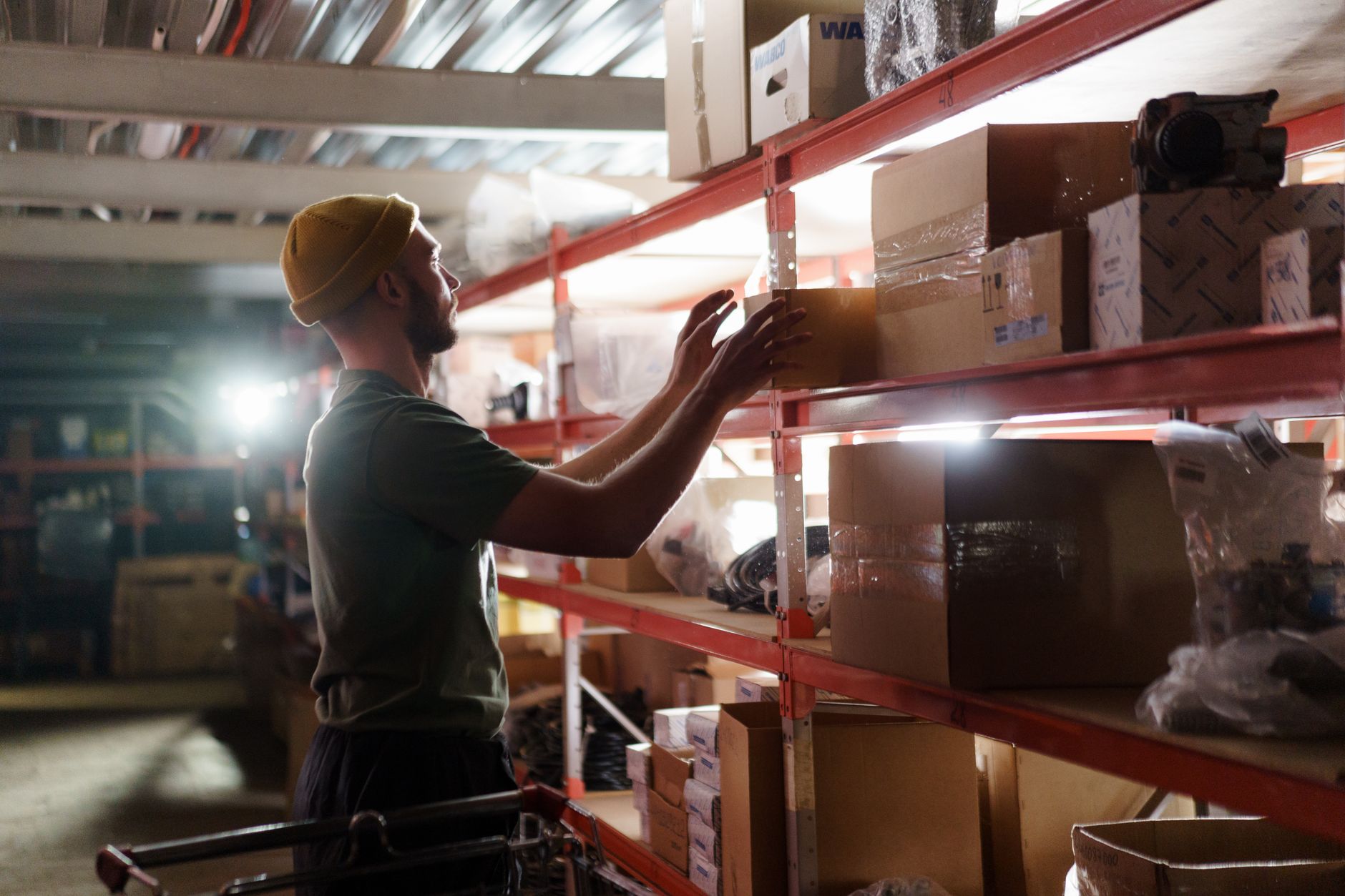
Beauty supply store owners source discounted brand-name cosmetics by purchasing liquidation pallets and truckloads from wholesale liquidators like Remex Liquidation, which acquire overstock, shelf pulls, and customer returns from major retailers.
What Is Beauty Supply Liquidation Inventory?
Liquidation inventory is surplus merchandise that major retailers need to move off their books quickly. For beauty supply buyers, this means brand-name cosmetics, skincare, hair care, and fragrance products flowing out of chains like Target, Walmart, and Ulta at steep discounts. The supply is not a seasonal anomaly. US prestige retail beauty sales reached $17.1 billion in just the first half of 2026 (circana.com), and mass retail beauty added another $39.2 billion over the same period (circana.com). A market that large generates continuous overstock and returns, which liquidators channel directly to resellers. For a beauty supply store owner, understanding where that inventory originates and how it is graded is the foundation of a sound sourcing strategy.
Where Does Liquidation Beauty Inventory Come From?
Retail liquidation beauty inventory has three main origins, each with distinct characteristics that affect the quality and consistency of what you receive. Major retailers liquidate excess inventory to recover warehouse space and recoup carrying costs. Amazon FBA overstock and seller returns represent a particularly rich source of brand-name cosmetics because the platform controls 54% of the US eCommerce beauty and personal care market (linkedin.com). Online purchases return at a 19.3% rate according to 2025 NRF data (size.ly), meaning a substantial volume of brand-name beauty products cycles back through Amazon's reverse logistics every year. Shelf pulls are the second major source. When a retailer resets a planogram or discontinues a SKU, large quantities of perfectly sellable product are released all at once. Seasonal and promotional overstock is the third driver, creating predictable spikes in cosmetic liquidation supply after Q4 and major sale events like Prime Day.
What Condition Grades Mean for Beauty Resellers
Condition grades determine your resale price ceiling, your margin risk, and your sorting labor. New or unopened product carries full resale value and the fastest sell-through. Like-new shelf pulls have minimal handling and typically retain full packaging. Customer returns carry the most uncertainty. The 2025 NRF data shows that 9% of all retail returns are classified as fraudulent (makemyreceipt.com), and Gen Z consumers averaged 7.7 online returns in the prior 12 months (makemyreceipt.com), a pattern that pushes more opened or tested cosmetics into the returns stream. Always confirm condition grades in the manifest before purchasing. A lot listed as "customer return" should automatically trigger a margin buffer for unsellable units, typically 5-15% (beautymatter.com) of the lot, depending on category and retailer source.
How Does the Liquidation Buying Process Work for Beauty Stores?
The buying process is straightforward when you work with a transparent supplier. You register as a business buyer, browse available lots organized by category and condition, review the manifest, calculate your margin, and place your order. The inventory ships from the liquidator's warehouse, either in pallets via LTL freight or full truckloads via FTL, directly to your facility. The critical variable in this process is manifest quality. A fully manifested lot tells you exactly what you are buying before you commit a dollar. Unmanifested or partially listed lots shift the risk entirely to you, and in cosmetics, that risk is significant because product condition, expiration proximity, and brand authenticity all affect resale legality and margin.
Why Manifested Lots Matter More Than Random Lots
Manifested lots are the single most important structural advantage a buyer can secure in liquidation sourcing. A complete manifest lists every SKU, brand, quantity, unit MSRP, and condition grade, giving you a purchase decision grounded in data rather than guesswork. Random or unmanifested lots are cheaper for a reason. They regularly contain products that cannot be resold: heavily damaged packaging, shades or SKUs that have no local demand, or items misidentified as cosmetics but actually classified as drug products under FDA rules. At Remex Liquidation, we provide fully manifested beauty pallets with MSRP and cost-per-unit data so buyers can complete their margin analysis before payment, not after the freight arrives. Manifests also let you filter for specific brands or product types that match your customer base, which is essential for maintaining consistent store identity and avoiding slow-moving inventory.
How to Calculate Your Margin Before Buying a Liquidation Lot
Margin math on a liquidation lot is a four-step process that should happen before you click purchase, not after delivery. Step one: obtain the manifest and note the total lot MSRP and the purchase price. Step two: estimate your average resale price per unit based on your channel, whether that is in-store, Amazon, eBay, or a flea market. In-store beauty supply pricing typically runs 40-70% (size.ly) of MSRP for brand-name product, while online resale may run closer to 60-85% depending on brand desirability. Step three: subtract your landed cost per unit, which is the purchase price plus freight divided by the total unit count. Step four: account for unsellable units. On customer return lots, budget 5-15% (beautymatter.com) of units as unsellable due to opened or damaged product, and factor that disposal or salvage cost into your per-unit math.
The math does not lie. Run it every time.
How to Evaluate a Liquidation Supplier for Cosmetics
Choosing a liquidation partner is not simply a price comparison exercise. The supplier's sourcing relationships, manifest accuracy, warehouse infrastructure, and dispute policies all directly affect your profitability and your ability to resell legally. A supplier who cannot verify the retail origin of their cosmetics inventory puts you at risk of receiving counterfeit product, which carries real legal and reputational consequences. The FDA regulates cosmetics as consumer products, and selling adulterated or misbranded cosmetics exposes resellers to enforcement action regardless of where the product was purchased (fda.gov). Verify that any supplier you consider sources directly from authorized retail liquidation channels, offers transparent manifests with recourse policies for significant misrepresentation, and can provide verifiable warehouse locations.
What Are the Red Flags of an Unreliable Beauty Liquidator?
Several warning signs indicate a liquidation supplier should not receive your business. No manifest, or a manifest so vague it lists only "assorted cosmetics" with no brand or SKU detail, is the clearest red flag. Unusually low prices that fall well below standard liquidation discounts often signal counterfeit goods, heavily damaged product, or lots sourced from unverified gray-market brokers rather than direct retail relationships. A supplier with no verifiable physical warehouse address or no traceable sourcing history should be avoided entirely. High-pressure sales tactics, "this lot sells in 24 hours" urgency with no time to review the manifest, are a reliable indicator that the seller knows the manifest will not survive scrutiny. Finally, a supplier with no clear dispute or recourse policy for manifest discrepancies is telling you they do not stand behind what they sell.
Why Warehouse Location Affects Your Total Landed Cost
Freight costs can quietly destroy the economics of a seemingly attractive lot. A pallet priced at an appealing per-unit cost becomes unprofitable when residential delivery surcharges, lift-gate fees, and long-haul freight from a distant warehouse are added to the calculation. This is not a hypothetical edge case. Consider a buyer in Houston purchasing a 600-unit beauty pallet. Over 10 pallets a month, the warehouse location decision becomes a material profitability factor. Remex Liquidation operates warehouses in both Texas and California, covering the South, Southwest, and West Coast efficiently. Always request a freight quote before finalizing a purchase to calculate your true landed cost per unit.
Which Beauty Product Categories Offer the Best Liquidation Margins?
Category selection is where experienced liquidation buyers separate themselves from beginners. Not all beauty product categories perform equally in resale, and the margin differences are significant enough to shape your entire sourcing strategy. In H1 2026, prestige skincare sales grew 9% and sun care rose 19% (circana.com), signals that consumer demand for these categories is strong and that overstock from aggressive retailer buying will follow. Mass market fragrance sales increased 15% in the same period (beautymatter.com), making fragrance lots a high-MSRP, favorable-pallet-math opportunity. Body care sales rose 16% (circana.com), adding another fast-moving category to the sourcing list.
Prestige cosmetics brands like MAC, Urban Decay, NYX, and e.l.f. command strong resale prices because consumers recognize and trust them. Skincare from CeraVe, Neutrogena, and La Roche-Posay moves quickly across all resale channels. K-beauty represents a high-growth niche with strong online demand and limited availability through traditional wholesale, making liquidation an effective sourcing path for beauty stores trying to differentiate their assortment.
Should Beauty Stores Focus on Brand-Name or Generic Liquidation Products?
Brand-name cosmetics outperform generic or store-brand product on every key resale metric: sell-through speed, resale price realization, and customer return rates. Generic beauty products carry lower consumer recognition and slower inventory turnover, which ties up cash and storage space. A practical strategy is to anchor your pallet purchases on brand-name hero SKUs and accept a small percentage of supporting generics when the overall lot economics are favorable.
Brand-specific lots, where a single manifest is concentrated in one brand or product line, deliver more consistent resale outcomes because you know exactly which SKUs you are sorting and pricing. Mixed pallets are cheaper, but they introduce unpredictable brands, shade assortments, quantities, and conditions that require significantly more sorting labor and result in a higher percentage of slow-moving or unsellable units.
One critical factor that many resellers overlook: some brands actively restrict marketplace sales, prohibit the use of their trademarks and product images in reseller listings, or limit international sales of their products. Violating these restrictions can result in marketplace account suspensions, cease-and-desist letters, or brand enforcement actions. Before building your business model around reselling a specific brand, verify its authorized reseller and marketplace policies. Your liquidation supplier should be able to confirm the retail sourcing chain, which supports your ability to demonstrate legitimate purchase history if a brand ever raises questions.
How to Scale Your Beauty Supply Business With Liquidation Sourcing
Scaling a beauty supply business on liquidation sourcing requires a deliberate progression from small test orders to volume purchasing, anchored in performance data rather than intuition. The safest starting point is a small manifested test order from a verifiable commercial liquidator. This first purchase serves two purposes: it validates the supplier's manifest accuracy and condition grading, and it generates real sell-through data for your specific store and customer base. Starting small is not timid. It is the professional approach.
Once you have completed two or three test lots and tracked sell-through rate, days-to-sell, and margin per SKU category, you have the data to graduate from single pallets to multi-pallet orders. The next scaling threshold is truckload purchasing, which typically unlocks better per-unit pricing and freight economics because you are paying full-truckload rates rather than LTL surcharges. Build your sourcing calendar around predictable overstock cycles: post-holiday overstock becomes available in January, back-to-school beauty hits the liquidation market in August, and post-Prime Day surplus follows Amazon's major sale events. Remex Liquidation restocks inventory weekly, which allows buyers to maintain a consistent product assortment without long sourcing gaps that leave shelf space empty.
How to Build a Consistent Supply Pipeline With a Liquidation Partner
A consistent supply pipeline requires a relationship, not just transactions. Register as a verified business buyer to receive priority lot notifications before inventory is listed publicly. Communicate your preferred brands, product categories, and condition grades to your liquidation representative so they can match upcoming lots to your profile proactively. Share performance feedback from each lot with your supplier. A liquidation partner who understands that your CeraVe skincare lots sell through in 10 days while your mixed fragrance lots take 45 days can prioritize sourcing recommendations that match your actual inventory velocity. In our experience at Remex Liquidation, buyers who share detailed performance data across multiple lot purchases receive increasingly accurate lot recommendations that align with their sell-through patterns and store positioning. Establishing a pre-approved purchasing relationship allows you to move quickly when a desirable lot becomes available, which matters because well-manifested beauty pallets from recognizable brands are purchased fast by experienced buyers. Document each lot's performance systematically. That data becomes your sourcing intelligence over time.
Frequently Asked Questions
Are cosmetics from liquidation pallets authentic and safe to resell?
Can I buy a small lot before committing to a full pallet of beauty products?
How do I check if liquidation cosmetics are expired or near expiration?
What brands are typically available in beauty and cosmetics liquidation lots?
How does shipping work for beauty supply liquidation pallets from Texas or California?
What is the difference between shelf pulls, overstock, and customer returns in beauty liquidation?
How do I resell liquidation cosmetics legally and comply with labeling regulations?
How often does new beauty liquidation inventory become available from major retailers?
Sources & References
- FDA Cosmetics Regulations (opens in a new tab)[gov]
- Ecommerce Return Statistics 2026: Every Number, Sourced (opens in a new tab)[industry]
- US Beauty Industry H1 2026: Prestige +7%, Mass | Circana (opens in a new tab)[industry]
- US eCommerce Beauty & Personal Care Market Share | Statista via LinkedIn (opens in a new tab)[industry]
- Retail Returns Statistics 2026: Rates, Costs, and Consumer Trends | MakeMyReceipt (opens in a new tab)[industry]
- US Beauty Retail Maintains Momentum in First Half of 2026 | BeautyMatter (opens in a new tab)[industry]
About the Author
Remex Liquidation
REMEX Liquidation is a B2B wholesale supplier of authentic Korean cosmetics and skincare in small, flexible lots for online and live-selling resellers, plus liquidation pallets and truckloads from major retailers, shipped from warehouses in Dallas, TX and Santa Fe Springs, CA.
Learn more at remexliquidation.com → (opens in a new tab)Related Posts
Truckload Liquidation: What to Know Before Buying a Full Load
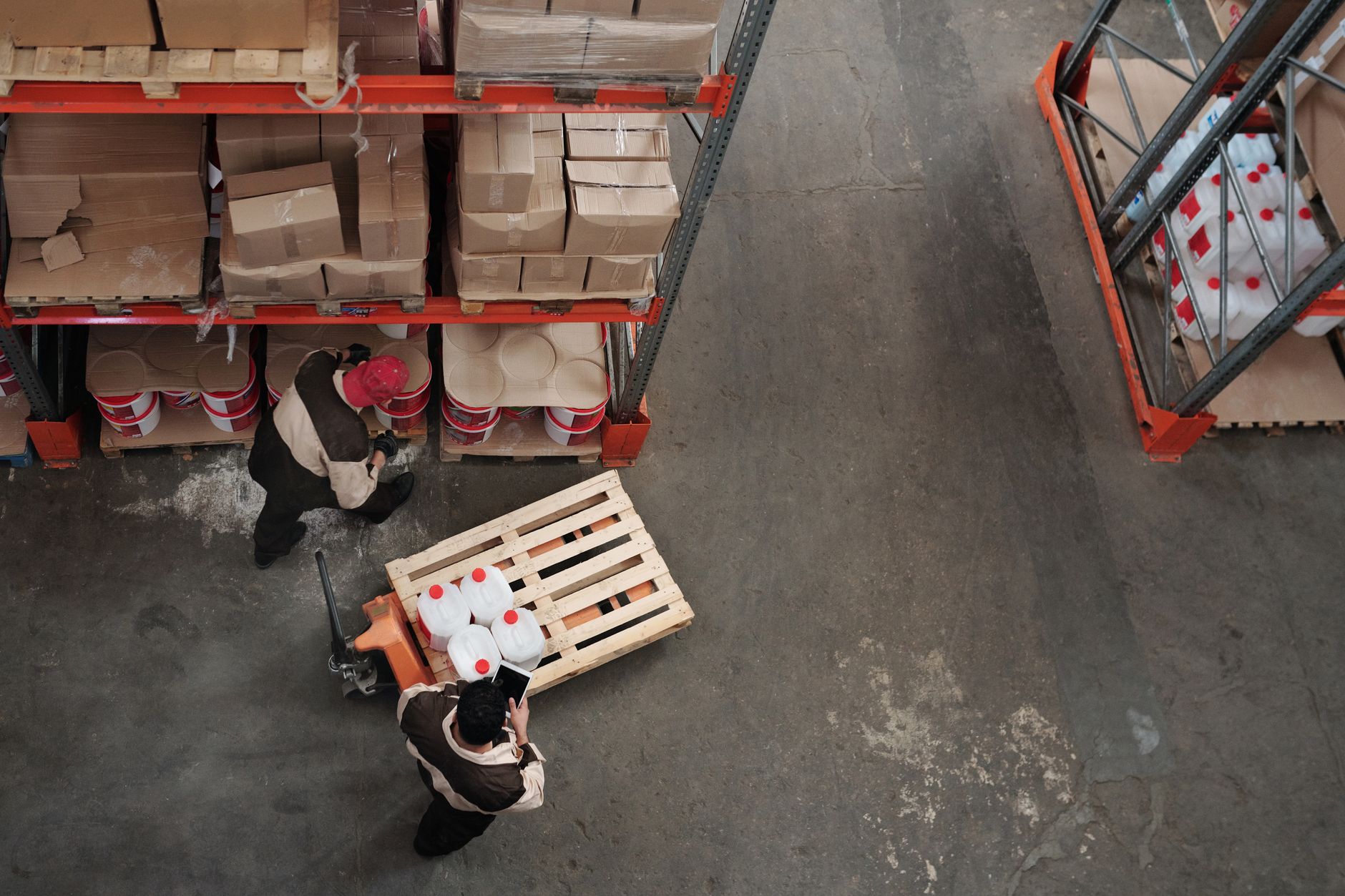
Buying a liquidation truckload can unlock serious wholesale margins, but the wrong load can sink your cash flow fast. This guide covers manifests, landed costs, product categories, and the smartest entry path for beauty resellers scaling from small lots to full truckloads.
12 min read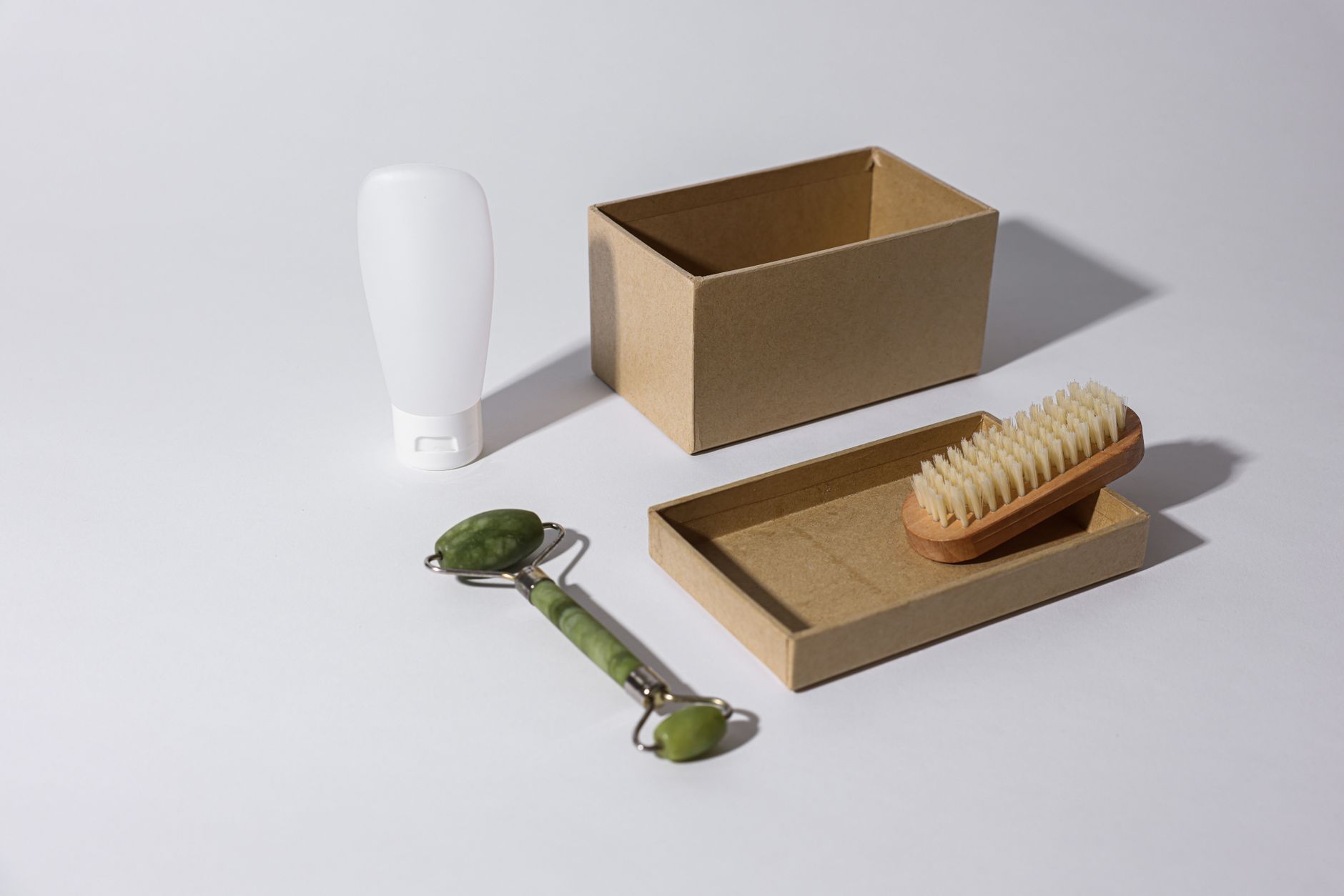
What to Expect Inside a Target Overstock Beauty Pallet
Target overstock beauty pallets contain a mix of brand-name skincare, makeup, haircare, and personal care products sourced directly from retail surplus. Understanding exactly what shows up in these lots helps wholesale buyers make smarter purchasing decisions and protect their resale margins.
10 min read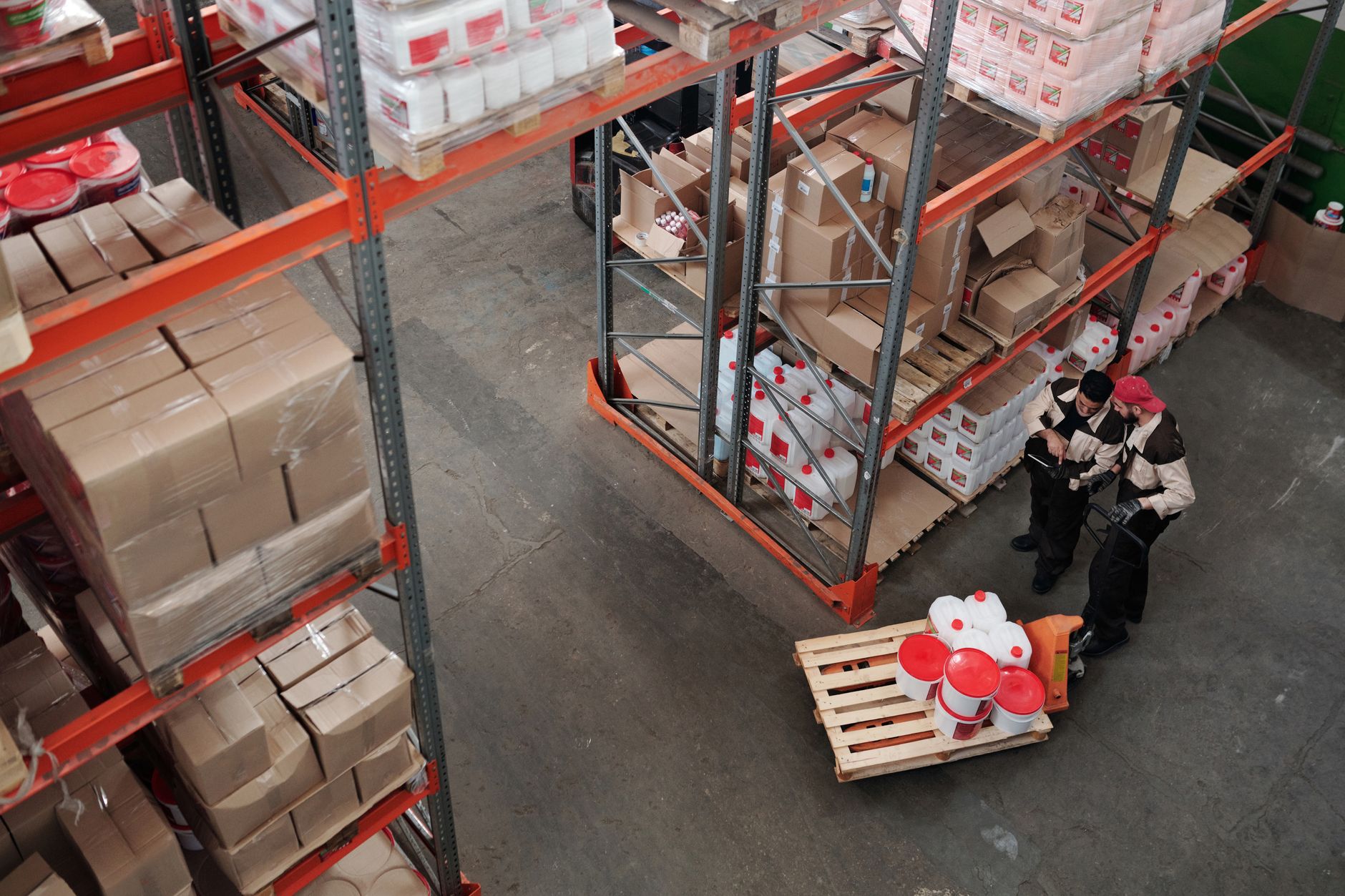
How to Calculate True Profit Margins on Cosmetic Liquidation Pallets
Buying cosmetic liquidation pallets without running the numbers first is one of the fastest ways to lose money in resale. This guide walks beauty resellers through the exact profit margin formula, how to read manifests accurately, and which hidden costs to factor in before placing any order.
13 min read