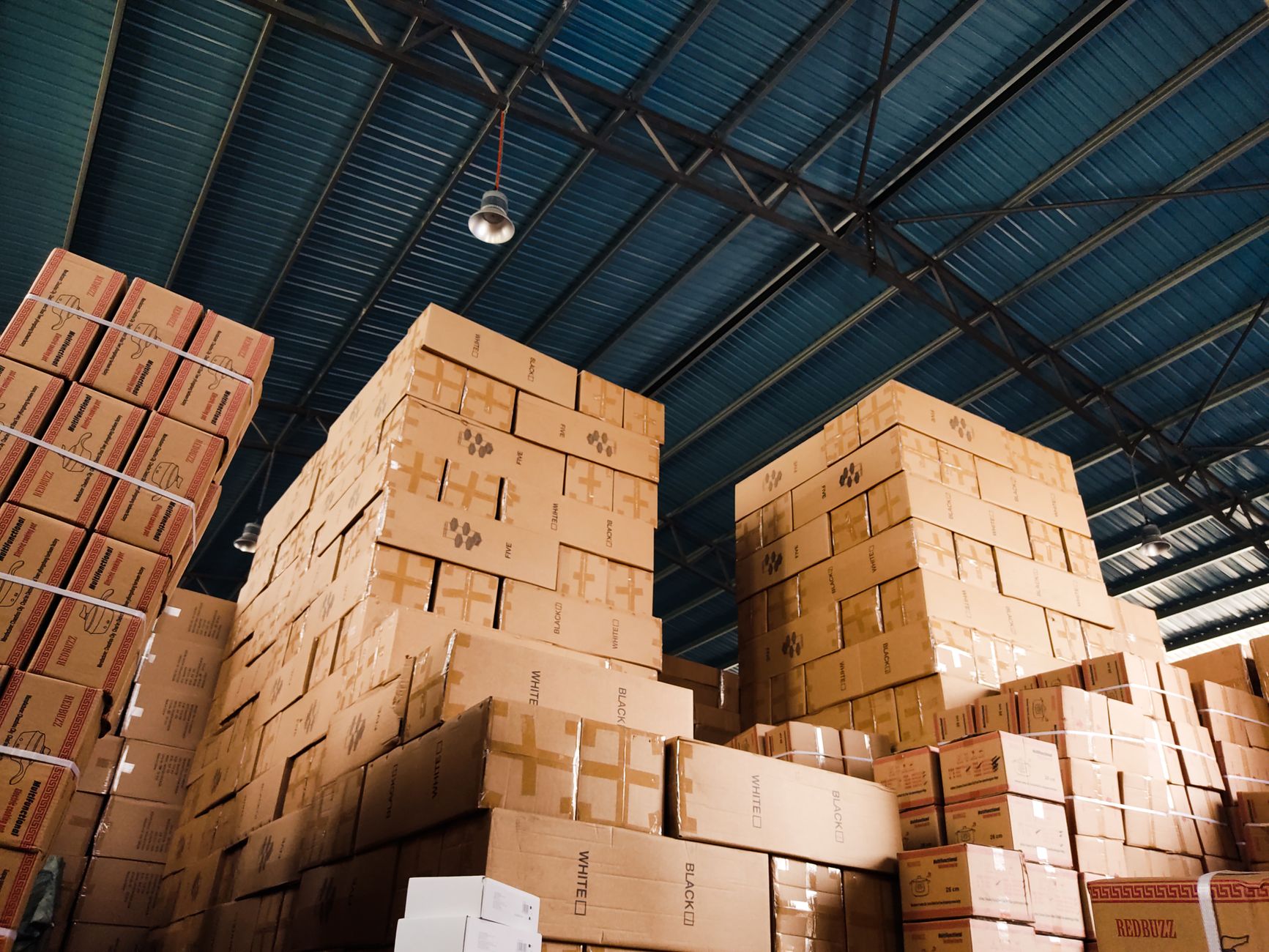
International buyers purchase US liquidation pallets and K-beauty lots by contacting domestic wholesale suppliers directly, reviewing product manifests, and arranging FOB or freight shipments.
What Are US Liquidation Pallets and K-Beauty Export Lots?
US liquidation pallets and K-beauty export lots serve fundamentally different market needs, and understanding that distinction before you place your first order determines whether your landed cost math works in your favor. US liquidation pallets contain overstock, shelf pulls, or customer returns sourced from major retailers including Amazon, Target, and SHEIN. These loads move through general liquidation channels in bulk, and product condition ranges from shelf-ready to customer-returned, depending on the retailer and category. K-beauty export lots, by contrast, are curated collections of authentic Korean cosmetics and skincare products, typically sold in mixed boxes for international resale. South Korea's cosmetics exports reached a record $11.43 billion in 2025, up 12.3% on the previous year (personalcaremagazine.com), which reflects genuine global demand, not a temporary trend. The United States was Korea's largest export destination in 2025 (sourceready.com), which means US-based K-beauty wholesale suppliers hold inventory that international buyers can access without routing through Korean distributors directly.
Types of Retail Loads Available for Export Buyers
Not every liquidation load is built the same, and the category you choose shapes your compliance burden downstream. Amazon HPC (health, personal care, and cosmetics) pallets include returns and overstock with high brand recognition but variable condition. Target shelf pulls offer shelf-ready, branded consumer goods at significant discounts below MSRP and are generally closer to new condition than returns-based loads. SHEIN and fast-fashion-adjacent lots provide high-volume, trend-driven inventory that moves well in emerging markets. K-beauty mixed lots differ from all of these categories: Remex Liquidation's Mixed Korean Cosmetics Small Lot contains new, authentic Korean cosmetics in original manufacturer packaging, not customer returns or shelf pulls. That condition distinction matters enormously at customs. New, sealed cosmetics in original packaging face fewer inspection issues, cleaner HS code classification, and more predictable duty rates than mixed-condition returns. Buyers should always confirm whether a load is returns-based or new overstock before purchasing, because condition directly determines resale value and customs classification at the destination port.
Why the Distinction Between Liquidation Pallets and K-Beauty Lots Matters for Exporters
Liquidation pallets sourced from customer returns may require additional inspection for damage, missing components, or missing compliance labeling before they can be legally exported and resold. Some return loads also include items that have been opened, which triggers different regulatory treatment in markets with strict cosmetics import rules. K-beauty new-condition lots face fewer of these complications because products are sealed and in original manufacturer packaging, with country-of-origin documentation that reflects the actual manufacturing source. Export regulations for cosmetics also differ significantly from those governing general merchandise: ingredient labeling, restricted substance compliance, and pre-market notification requirements vary by destination market. That regulatory divergence is a major reason beauty-specialized suppliers increasingly serve international buyers better than general merchandise liquidation channels. The global liquidation service market is growing at a CAGR of 6.01% through 2033 (verifiedmarketreports.com), and beauty is among the highest-margin categories within that market, with e-commerce beauty brands achieving gross margins of 60-80% (hycos.ai) compared to 45-65% for fashion and apparel.
How International Buyers Find and Evaluate US Liquidation Suppliers
Finding the right supplier starts with matching the supplier's inventory category to your target market's demand. General liquidation platforms cover broad merchandise categories, and they can be a reasonable source for HPC pallets and general overstock. For buyers focused specifically on Korean cosmetics, beauty-specialized suppliers offer a tighter, more transparent product mix. The key evaluation criteria are manifest accuracy, minimum order size, shipping terms, return policy, and the supplier's willingness to answer specific questions about current lot contents before you commit. Avoid paying for an unmanifested pallet based solely on stock photos. Photos rarely capture condition accurately, and without a manifest listing item count, estimated retail value, and condition grade by SKU or category, you have no reliable basis for calculating resale margin or customs valuation. This is not a minor precaution. It is the single most common mistake that first-time export buyers make, and it compounds quickly when you are also absorbing international freight and import duties on top of the product cost.
What an Export Buyer Should Look for in a Liquidation Manifest
A reliable manifest lists category, item count, estimated retail value (ERV), and condition grade for each SKU or lot in the shipment. For cosmetics, buyers should confirm whether the manifest notes items as new, overstock, or customer returns, because that designation affects customs classification and downstream resale compliance. MSRP per unit lets exporters calculate potential resale margins in their target market before committing. In our experience, transparent per-unit pricing eliminates hidden margins and allows buyers to build accurate landed cost models from day one. That price transparency is rare in general liquidation channels. One critical point: specific brands and product assortments change between lots. Always contact Remex directly via WhatsApp at (434) 333-9857 or the contact page to confirm the contents of the current lot before ordering. Never assume that the assortment from a previous purchase will repeat identically.
How Remex Liquidation Compares to General Liquidation Platforms for K-Beauty Buyers
General platforms list broad merchandise with minimal beauty curation, and their pallet minimums typically require more upfront capital than a first-time export buyer wants to commit before testing a new market. Remex Liquidation specializes in Korean cosmetics, offering a focused inventory of authentic products rather than mixed general returns. The minimum order is one box, which is a materially lower entry point than the pallet minimums required by most general platforms. Remex ships from Dallas, TX and Santa Fe Springs, CA, giving buyers both central US and West Coast logistics options. Some US-stocked K-beauty suppliers offer one-box minimums and ship from domestic warehouses, and that structure is a practical advantage: buyers receive goods at a single US origin point, simplify their export documentation, and control their own international freight arrangements rather than managing multiple international shipments from Korea.
How to Calculate Landed Cost for Export Liquidation Pallets and K-Beauty Lots
Landed cost is the number that actually determines whether a purchase is profitable, and most buyers underestimate it on their first order. The formula is product cost plus domestic freight plus export documentation fees plus international freight plus destination import duties plus destination port and handling fees. Domestic inventory held in a US warehouse reduces one specific layer of risk: buyers avoid paying Korean or other overseas export duties, navigating foreign shipping consolidation, or dealing with international transit delays before goods even reach the US. That is a meaningful operational simplification. Five or more boxes require an LTL freight quote from Remex, and truckload volumes shift to negotiated rates. Because Remex ships FOB CA, the buyer assumes freight responsibility once goods leave the California warehouse, so the buyer controls and pays for international freight, insurance, and destination customs clearance from that point forward.
What FOB CA Means and Why It Matters for Export Buyers
FOB (Free On Board) CA means title and risk transfer to the buyer once goods are loaded at the California origin point. The buyer is responsible for arranging and paying international freight, insurance, and customs clearance from that point forward. For a single box, air freight to Southeast Asia can range from several hundred to over a thousand dollars depending on weight and destination, which can easily double or triple the landed cost per box. Ocean freight on larger consolidations (LCL or FCL) reduces per-unit shipping cost significantly but requires longer transit times and minimum volume. Export buyers should factor freight forwarder fees, marine insurance premiums, destination port handling charges, and any local delivery costs into their total landed cost model before comparing the per-unit figure to their target selling price. Working with a licensed customs broker in the destination country simplifies duty classification and reduces clearance delays. Freight forwarder selection matters: an experienced forwarder with specific cosmetics experience can advise on documentation requirements, restricted ingredient regulations, and efficient routing, while a generalist forwarder may miss country-specific filing requirements that cause costly delays.
Landed Cost Case Study: One K-Beauty Export Box to Southeast Asia
Consider a buyer in the Philippines ordering one Remex export k-beauty box. Philippine Bureau of Customs import duties on cosmetics under HS Chapter 33 generally apply ad valorem, and the actual rate depends on the specific sub-heading and any applicable trade agreements. Local delivery from the port is additional. These are illustrative ranges; actual freight and duty costs must be confirmed with your freight forwarder and destination customs broker before you place an order.
How Pallet and Truckload Orders Change the Landed Cost Equation
Truckload and pallet orders reduce per-unit product cost but increase upfront capital requirements significantly. Ocean freight on a full container load (FCL) lowers per-unit shipping cost compared to LTL or air freight on small lots. Buyers near the Santa Fe Springs, CA warehouse benefit from shorter domestic drayage before export consolidation. Scaling from one K-beauty box to 12 or more boxes activates volume discounts and justifies negotiating consolidated freight arrangements with a freight forwarder. At that volume, the per-unit landed cost drops meaningfully, and the buyer can begin to think about container-load economics. Volume discounts from 12 boxes also open the door to treating Remex as a recurring supplier rather than a one-off test purchase, which supports the kind of consistent inventory planning that live sellers and online beauty stores need.
Export Paperwork and Compliance Requirements for US Cosmetics Lots
Exporting cosmetics from the United States involves a standard set of shipping documents plus additional compliance documentation that varies by destination. The EEI is filed by the exporter or their licensed freight forwarder and must accurately reflect the value, quantity, and HS code of the goods. The bill of lading or airway bill is issued by the carrier as the contract of carriage and serves as proof of shipment for the destination customs authority.
Export Documents Typically Required for a Cosmetics Shipment from the US
Beyond the standard shipping documents, cosmetics shipments often require additional documentation at destination. A Certificate of Free Sale (CFS), issued by a US government agency such as the FDA, confirms that the products are legally sold in the United States and may be required by destination countries including several Southeast Asian markets and GCC member states (fda.gov). A Certificate of Origin may also be required, and for Korean cosmetics in original manufacturer packaging, the country of origin documentation should reflect the actual manufacturing origin, which is South Korea, not the United States. Buyers should request any available product documentation from Remex via the contact page or WhatsApp at (434) 333-9857 to support their customs filing. Do not assume that "authentic" means "authorized for resale" in every destination country. Some markets require pre-market registration, local distributor agreements, or specific labeling in the local language before cosmetics can be legally sold, regardless of product authenticity. Authenticity is a necessary condition. It is not sufficient on its own.
Destination-Country Regulations That Most Commonly Affect K-Beauty Lot Imports
Destination-country regulations are where many first-time cosmetics exporters encounter unexpected costs and delays. The EU requires compliance with Regulation (EC) No 1223/2009, which restricts certain ingredients and requires a Responsible Person established within the EU to manage compliance and notification in the EU Cosmetics Portal (ec.europa.eu). Canada requires that cosmetic products meet bilingual labeling requirements in English and French under the Consumer Chemicals and Containers Regulations, administered by Health Canada (canada.ca). The ASEAN Cosmetic Directive aligns member state requirements broadly, but enforcement varies and individual countries impose additional national requirements. GCC countries require pre-market registration for cosmetics in several member states, adding lead time and cost before goods can be legally sold. Buyers planning to import large volumes into any of these markets should retain a destination-country regulatory consultant before committing to a large order. Testing one box first, before scaling to pallets, is exactly the right sequence for navigating this compliance complexity without overexposing capital.
Scaling from a Single K-Beauty Box to Pallets and Truckloads
The single-box entry point exists for a reason. It is not a marketing concession. It is the right starting point for any buyer entering a new market, launching a new live-selling channel, or testing K-beauty demand with a new audience. That test informs the next decision with real data instead of assumptions. If the first lot sells through quickly, ordering 12 or more boxes in the next round unlocks volume pricing and can be consolidated into a single international shipment for freight efficiency. The progression from one box to LTL (5 to 11 boxes) to volume-discount orders (12 or more boxes) to full pallet and truckload programs maps directly to business growth stages. Full pallet and truckload programs serve distributors and larger retail buyers who need consistent, high-volume restocking. Remex warehouses in Dallas, TX and Santa Fe Springs, CA support both small-lot and high-volume fulfillment, with weekly inventory restocking keeping supply consistent for buyers at every scale.
Choosing the Right Order Size as a First-Time Export Buyer
A first-time export buyer's primary goal is to validate demand and landed cost assumptions with minimal capital at risk. At Remex Liquidation, we've observed that buyers who test with a single box before scaling to multi-box orders avoid costly mistakes in freight routing and destination compliance, saving both time and capital on their first international purchase. One Remex export box minimizes that risk while delivering real inventory. International freight is the variable that requires the most homework before the first order, because it depends on destination, shipment weight, chosen shipping method, and current carrier rates. A single box is large enough to run a test live-sell event or seed an online store listing, giving the buyer real sell-through data before committing to larger volumes. Buyers scaling to truckloads should request a direct quote from Remex and discuss freight terms, because logistics arrangements at that volume differ significantly from small-lot shipping. All Remex sales are final with no returns, which makes manifest review and direct supplier communication essential at every order size. Confirm current lot contents before every order. Assortments change.
Frequently Asked Questions
What is the minimum order for REMEX Liquidation's export K-beauty box?
How much does it cost to ship a K-beauty export box from California internationally?
Are the Korean cosmetics in REMEX lots authentic and in new condition?
What export documents do I need to ship cosmetics from the US to my country?
What is FOB CA and what costs does the buyer cover after that point?
How do I find out which brands and products are in the current REMEX lot?
When do volume discounts apply, and how do I request an LTL freight quote for 5 or more boxes?
What is the difference between a liquidation pallet and a K-beauty mixed lot for export purposes?
Can a first-time international buyer start with a single box before committing to a pallet or truckload?
What documents do international buyers need to export US liquidation pallets?
How can buyers verify K-beauty product authenticity and expiration dates?
What are the customs, FDA, and labeling requirements for exporting cosmetics?
Which US liquidation marketplaces ship pallets internationally?
How should buyers calculate shipping, duties, and total landed costs?
Sources & References
- US Food and Drug Administration (opens in a new tab)[gov]
- Ecommerce Gross Margin by Category: Where Do You Rank? (opens in a new tab)[industry]
- European Commission, Cosmetics Regulation (EC) No 1223/2009 (opens in a new tab)[gov]
- South Korea K-Beauty Report 2025: Trends & Market Insights | SourceReady (opens in a new tab)[industry]
- Korean cosmetics exports hit $11 billion record high in 2025 (opens in a new tab)[industry]
- Health Canada, Consumer Chemicals and Containers Regulations (opens in a new tab)[gov]
- Global Liquidation Service Market Size, Share, Growth Trends & Forecast 2026-2033 (opens in a new tab)[industry]
- remexliquidation.com (opens in a new tab)[industry]
- remexliquidation.com (opens in a new tab)[industry]
- remexliquidation.com (opens in a new tab)[industry]
- remexliquidation.com (opens in a new tab)[industry]
About the Author
Remex Liquidation
REMEX Liquidation is a B2B wholesale supplier of authentic Korean cosmetics and skincare in small, flexible lots for online and live-selling resellers, plus liquidation pallets and truckloads from major retailers, shipped from warehouses in Dallas, TX and Santa Fe Springs, CA.
Learn more at remexliquidation.com → (opens in a new tab)Related Posts
Amazon HPC Liquidation Pallets Explained: What They Are and What's Inside
Amazon HPC liquidation pallets are bulk lots of unsold or returned health and personal care products sold by Amazon or its authorized liquidators at steep discounts. This guide explains what's inside, how manifests work, and how to calculate landed costs before you buy.
7 min read
Scaling From One K-Beauty Box to Full Truckloads: A Growth Roadmap for Beauty Resellers
Most beauty resellers start with one box and wonder how the top sellers got to truckload volume. This roadmap walks through every stage of that journey, from a $600 K-beauty mixed lot to LTL pallets and full truckloads, with concrete benchmarks, manifest strategy, and sourcing guidance at each level.
11 min read
SHEIN Liquidation Pallets: What Resellers Actually Get (And What to Consider First)
SHEIN liquidation pallets contain mixed apparel and beauty overstock, but resellers often face incomplete manifests, variable quality, and high minimum spend before seeing profit. This guide breaks down what you actually get, how to calculate landed costs, and why some beauty resellers start with small authenticated lots before scaling to pallets.
12 min read