SHEIN Liquidation Pallets: What Resellers Actually Get (And What to Consider First)
Contents, condition grades, and manifest accuracy vary widely by lot. Beauty resellers seeking consistent product quality often start with smaller, authenticated lots before committing to full pallet volumes.
After two weeks of live shows, they verify that K-beauty items sell through at a 3.5x markup, proving the category works for their audience before scaling to five-box restocks or larger volumes.
What Is in a SHEIN Liquidation Pallet?
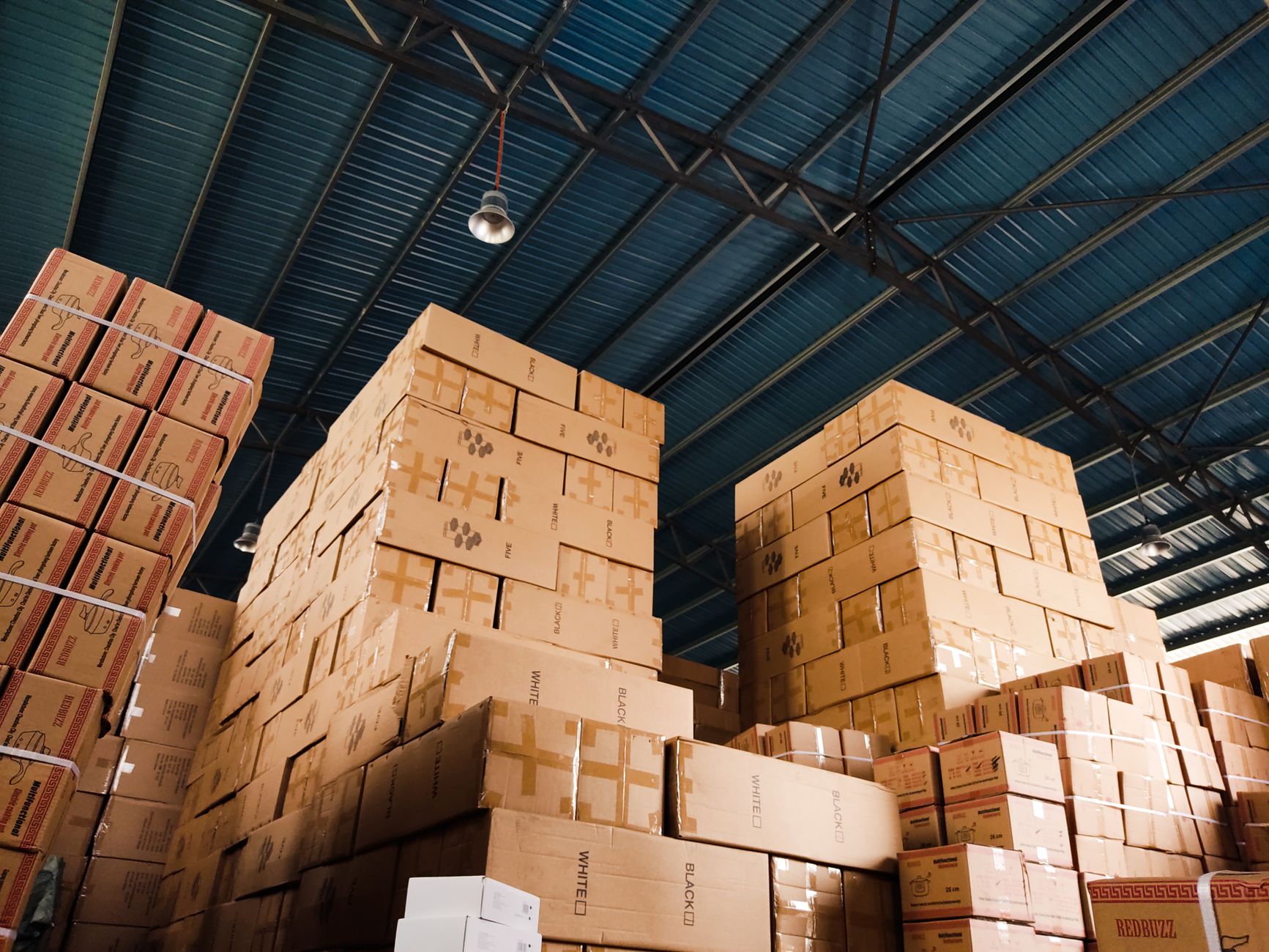
SHEIN liquidation pallets reach the market through third-party liquidators. There is no official SHEIN program for this. As of 2026, SHEIN has no publicly confirmed direct liquidation channel. Inventory provenance depends on who sells the lot. It also depends on how well they document it. Clothing-and-shoe pallets are commonly advertised at roughly 250 to 400 units (palletsbay.com), though actual unit counts shift with pallet weight, item type, and the liquidator's sourcing mix. Pallet weights commonly run 300 to 600 pounds. Most lots include tops, bottoms, dresses, and accessories. Beauty and personal care items appear only occasionally. Apparel return rates in the US reach 20 to 40% online (corlen.io), and close to six in ten online shoppers deliberately order multiple sizes planning to return most of them (corlen.io), which means a meaningful share of any fashion liquidation lot started as a bracket return rather than a true overstock unit. This backstory matters. Bracketed returns often show wear. Missing tags or damaged packaging appear even when items look new.
How Do Condition Grades Affect What You Receive?
Condition grades are the single biggest variable separating profitable pallets from money-losing ones. Grade A means new or like-new items in original packaging. These have the highest resale value. Liquidators price Grade A lots accordingly. They sell fast. Grade B includes items with shelf wear, open packaging, or minor cosmetic flaws. Resale value drops. Sellability remains reasonable for experienced sorters. Grade C and mixed lots contain customer returns. These may be incomplete, damaged, or missing components entirely. For apparel, Grade B/C is manageable with sorting labor. For beauty and cosmetics, Grade B/C presents a different problem. Open or damaged cosmetic packaging raises hygiene questions. It raises regulatory questions. Apparel sorting does not face these. Many online platforms, including Amazon and TikTok Shop, prohibit resale of used cosmetics. Always request a manifest that specifies grade per category. Do not just get grade per pallet. Treat any lot described only as "mixed" as a Grade C signal. Do this regardless of what the listing says.
What Percentage of a SHEIN Pallet Is Actually Beauty Products?
SHEIN's core business is apparel. Beauty products represent a small and inconsistent fraction of any SHEIN liquidation lot. Resellers focused on wholesale beauty inventory should not plan around beauty items. Do not expect them in an apparel pallet. The ones that do show up often lack visible batch codes. Expiration labeling is missing from the buyer's vantage point. This occurs before sorting. For beauty-focused sellers, dedicated beauty liquidation lots work better. Amazon Health and Personal Care channels offer higher product concentration. Specialty Korean cosmetics wholesalers do too. They provide more reliable condition data. Sourcing beauty through incidental inclusion in an apparel pallet is inefficient. It does not build a sustainable K-beauty reseller catalog.
How to Calculate the Real Landed Cost of a Liquidation Pallet
Landed cost determines whether a pallet purchase is profitable. Most first-time buyers underestimate it. The formula is straightforward. Add pallet purchase price, freight, platform fees, storage, and prep costs. LTL freight for a standard pallet runs $100 to $250 for regional lanes under 500 miles, $200 to $400 for mid-range lanes, and $350 to $600 for cross-country shipments (wearewarp.com). Overall, most LTL shipments fall between $300 and $1,500 depending on weight, dimensions, and origin-destination pair (etmotorfreight.com). Rate per pound typically falls between $0.25 and $0.50 (etmotorfreight.com). Hidden costs add up quickly. Returns processing, unsellable item disposal, marketplace listing fees, photography labor, and customer service overhead rarely appear in a pallet listing price. They are real line items. The correct break-even calculation divides total landed cost by sellable units. Do not divide by total units. A 400-unit pallet with 25% unsellable items leaves 300 sellable pieces (shipnetwork.com).
Profitability Thresholds and Revenue Targets for Pallet Resellers
Several reseller benchmarks circulate in the liquidation community, and two are worth understanding before placing your first pallet order. A commonly used target is a landed cost no higher than 25 to 35% of expected selling price, which means a $3 landed-cost item needs to sell for at least $8.50 to $12 to clear margin after platform fees (wcdwholesale.com). A related rule of thumb holds that you need roughly 2.5 to 3 times your landed cost in revenue to leave room for labor, losses, and platform fees. Put differently, if roughly half the pieces in a lot can be sold at their target price, that half-lot revenue should repay the total investment to reach the break-even threshold. These benchmarks are approximations, not guarantees. Actual outcomes depend on sell-through speed, the platform you use, and how accurately you graded the lot before purchase. SHEIN pallets are generally better suited for experienced resellers who already have sorting workflows, storage space, and established sales channels. New sellers who buy a pallet expecting easy profit often discover that the sorting labor alone erases the margin advantage over buying pre-curated inventory.
What Does a Comparable Small Beauty Lot Cost to Land?
Five or more boxes require an LTL freight quote; volume discounts begin at 12 boxes. At Remex Liquidation, we see new sellers regularly use a single box to validate their audience and platform before moving to multi-box restocks. The landed cost per piece is known from day one, unlike a mixed pallet where the sellable unit count is uncertain until every item is sorted and graded.
How Do Liquidation Manifests Work, and Why Do They Matter?
A manifest is a line-item list of products in a lot, typically including SKU, item description, quantity, and MSRP per unit. Manifested lots allow resellers to calculate potential gross margin before purchase, which is the only way to make an informed buying decision. The problem with SHEIN pallets sold through general liquidators is that manifests are often partial, inaccurate, or absent entirely. Item descriptions may read "women's tops assorted" rather than individual SKUs, giving no basis for pricing research. Unmanifested lots carry higher risk because the actual sellable value is unknown until every item is counted, graded, and priced. The National Retail Federation projects total return-related losses across US online retail will pass $247 billion in 2026, a 12% jump from the prior year (corlen.io), which explains why liquidation volume is growing faster than manifest quality is improving. Liquidators are moving more product than their documentation systems can keep up with. Requesting a sample manifest page or lot photos before purchase is a minimum due diligence step, not an optional extra.
What Should a Trustworthy Beauty Lot Manifest Include?
A credible beauty lot manifest lists product name and type (such as serum, toner, or lip product) at the item level, with quantity per SKU and condition grade clearly stated. It includes MSRP per unit so the buyer can calculate gross margin before committing, and it identifies lot origin, whether overstock, shelf pull, or customer return. For lots where specific brand mix or current contents matter, the right process is to contact the wholesaler directly before placing an order. Remex Liquidation recommends confirming current lot contents via WhatsApp at (434) 333-9857 or the contact page, since exact brand mix varies by lot and stating specifics in a blog post would quickly become outdated.
Pallets vs. Small Lots: Which Entry Point Makes Sense for Beauty Resellers?
Pallets require significant upfront capital, sorting labor, and storage space before the first item sells. A 500-unit apparel pallet that arrives mixed-grade needs two to four hours of sorting before you know what you actually have. Small authenticated beauty lots remove that variable. A new TikTok Shop or Whatnot seller who starts with one Remex box gets 400 or more units in original manufacturer packaging, all beauty, all new, with no sorting required. That is a material difference in time-to-first-sale. The scaling path that works for most live-selling businesses goes like this: start with one to three small lots, verify sell-through rates and audience response, then move to multi-box orders. Once monthly sell-through reliably clears a small lot within two weeks, graduating to larger volumes makes economic sense. Remex ships truckloads from both Dallas, TX and Santa Fe Springs, CA for buyers ready to move that volume.
Why Do TikTok and Whatnot Live Sellers Favor Small, Frequent Lots?
Live-selling audiences expect product variety show to show. Rotating inventory is not optional; it is what keeps viewers returning. Small lots solve this problem cheaply. Products arrive in original manufacturer packaging, which photographs cleanly and presents well on camera without any repackaging labor. Korean beauty products carry strong brand recognition and genuine audience enthusiasm in live-selling communities, which translates to faster sell-through and fewer unsold units sitting in inventory. This is exactly why bulk beauty lots built around K-beauty perform well on platforms that reward speed and variety.
When Does Scaling to Pallets or Truckloads Become the Right Move?
The signal to scale is data, not ambition. Once a seller has validated which product categories convert at their target margin and monthly sell-through consistently exceeds what a small lot covers in a two-week window, the economics of larger orders improve. Truckload buyers absorb lower per-unit cost and reduce per-box freight overhead. Remex Liquidation ships truckloads from Dallas, TX and Santa Fe Springs, CA. Contact Remex via WhatsApp at (434) 333-9857 or the contact page to discuss truckload availability and confirm current lot contents before placing a large order.
Major Retail Liquidation Sources Compared: SHEIN, Amazon HPC, and Target
Resellers shopping liquidation markets in 2026 have several source types to evaluate, each with distinct trade-offs on beauty product density, condition reliability, and cost per unit. Amazon Health and Personal Care lots are among the most sought-after beauty liquidation categories, with high product concentration but heavily returns-weighted inventory and competitive bidding that compresses margins. Target beauty shelf pulls and overstock pallets offer better condition grades because shelf pulls are unused product, but entry costs are higher and bidding competition on auction platforms is real. SHEIN lots are predominantly apparel; beauty density is low compared to dedicated HPC or Target beauty lots, and manifest quality from most SHEIN liquidation sources lags behind what auction platforms like B-Stock provide for major retail clients. Korean cosmetics do not typically flow through major retail liquidation channels at all, which makes specialty wholesalers the primary sourcing path for K-beauty inventory. Platform fees and buyer premiums on auction platforms can add 15 to 25% above winning bid price, which must be factored into landed cost calculations before any comparison to fixed-price wholesale is meaningful (wcdwholesale.com).
How Does Korean Cosmetics Wholesale Compare to Retail Liquidation Lots?
Retail liquidation lots contain whatever the retailer returned or overstocked, with no category specialization and no guarantee of condition. The comparison table below captures the key differences across source types.
| Source Type | Beauty Product Density | Condition Grade Reliability | Minimum Entry Cost (Est.) | Manifest Quality | Cost Per Unit (Est.) | Best For |
|---|---|---|---|---|---|---|
| SHEIN Liquidation Pallet | Low (mostly apparel) | Variable, often mixed | $300 to $1,200+ | Partial or none | $1 to $4 | Apparel resellers; not ideal for beauty-focused sellers |
| Amazon HPC Lot (B-Stock) | High | Moderate (returns-heavy) | $500 to $5,000+ | Moderate to good | $1 to $5 | Established resellers with sorting capacity |
| Target Beauty Overstock | High | Good (mostly shelf pulls) | $400 to $3,000+ | Good | $1.50 to $6 | Beauty resellers with platform bidding experience |
| Remex Mixed Korean Cosmetics Box | 100% beauty | New, original packaging | $600 (1-box min) | Confirm with Remex directly | ~$1.50 | Live sellers, TikTok Shop, new beauty resellers testing K-beauty |
Results speak louder. At Remex Liquidation, our team recommends new sellers compare not just the sticker price per pallet but the full landed cost per sellable unit after sorting losses are factored in.
Hidden Costs Resellers Overlook When Buying Liquidation Pallets
The purchase price of a liquidation pallet is only the beginning of the cost stack. Freight adds $100 to $600 per pallet depending on lane length (wearewarp.com). Sorting and inspection labor is a real cost even if you are doing it yourself: time spent grading a 400-unit pallet is time not spent listing, selling, or fulfilling. Disposal fees for unsellable items vary by region but are non-zero. Customer returns add reverse logistics cost on top of the original forward freight. Storage costs accumulate if slow-moving SKUs sit past 30 days. For apparel specifically, the US ecommerce return rate was 20.5% in 2026 (shipnetwork.com), and apparel as a category can hit 30 to 40% return rates (shipnetwork.com). A reseller who does not model returns into their landed cost calculation will consistently underprice their margin target and wonder why the numbers never work out.
Frequently Asked Questions
Where do SHEIN liquidation pallets actually come from?
How much does a SHEIN liquidation pallet cost on average?
Are beauty products in SHEIN pallets safe to resell?
What is the minimum order to start buying wholesale beauty inventory without committing to a full pallet?
How do I verify that Korean cosmetics from a liquidation wholesaler are authentic and new?
What is the difference between a shelf pull, overstock, and customer return in a liquidation lot?
How do live sellers on TikTok and Whatnot source affordable inventory for every show?
What landed cost per piece should beauty resellers target to maintain healthy margins?
How do I get a freight quote for five or more boxes of wholesale beauty inventory?
When should a reseller move from small lots to full pallets or truckloads?
What types of clothing and item conditions are typically found in SHEIN pallets?
How much do SHEIN liquidation pallets usually cost, including shipping and fees?
What is the expected profit margin when reselling SHEIN pallet items?
Where can resellers safely buy authentic SHEIN liquidation pallets?
How can I inspect and calculate the value of a SHEIN pallet before buying?
Sources & References
- Ecommerce Return Rates by Industry: 2026 Benchmarks and How to Reduce Them | ShipNetwork (opens in a new tab)[industry]
- How Much Does LTL Shipping Cost? $100-$600/Pallet (2026 Rates) | Warp (opens in a new tab)[industry]
- Fashion Ecommerce Return Statistics 2026: Rates, Costs, and the Fit Problem | Corlen (opens in a new tab)[industry]
- Fashion Ecommerce Returns Statistics (2026) | Antla (opens in a new tab)[industry]
- How much does Freight Shipping Cost in the US - ET Motor Freight (opens in a new tab)[industry]
About the Author
Remex Liquidation
REMEX Liquidation is a B2B wholesale supplier of authentic Korean cosmetics and skincare in small, flexible lots for online and live-selling resellers, plus liquidation pallets and truckloads from major retailers, shipped from warehouses in Dallas, TX and Santa Fe Springs, CA.
Learn more at remexliquidation.com → (opens in a new tab)Related Posts
Scaling From One K-Beauty Box to Full Truckloads: A Growth Roadmap for Beauty Resellers
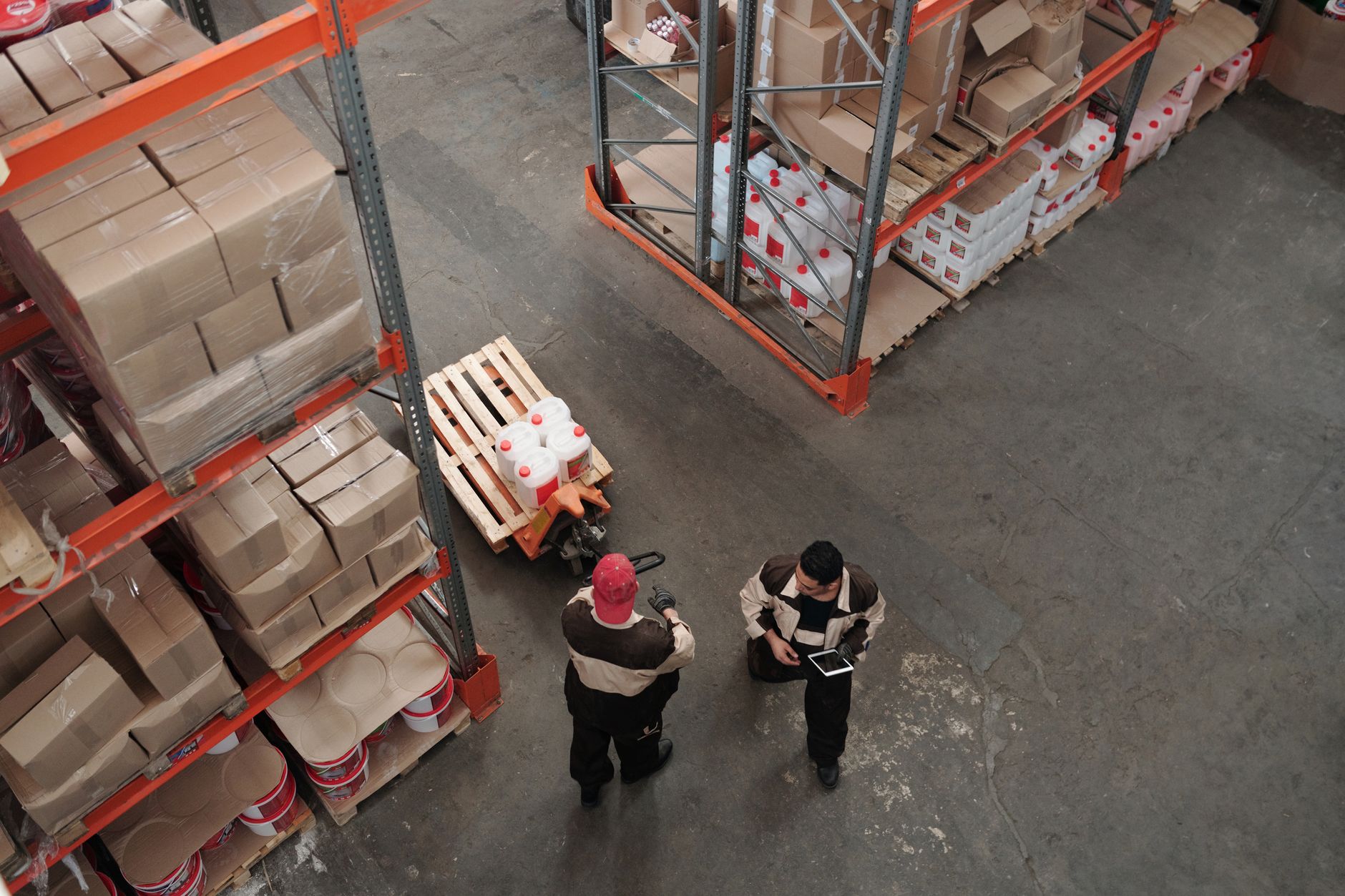
Most beauty resellers start with one box and wonder how the top sellers got to truckload volume. This roadmap walks through every stage of that journey, from a $600 K-beauty mixed lot to LTL pallets and full truckloads, with concrete benchmarks, manifest strategy, and sourcing guidance at each level.
11 min read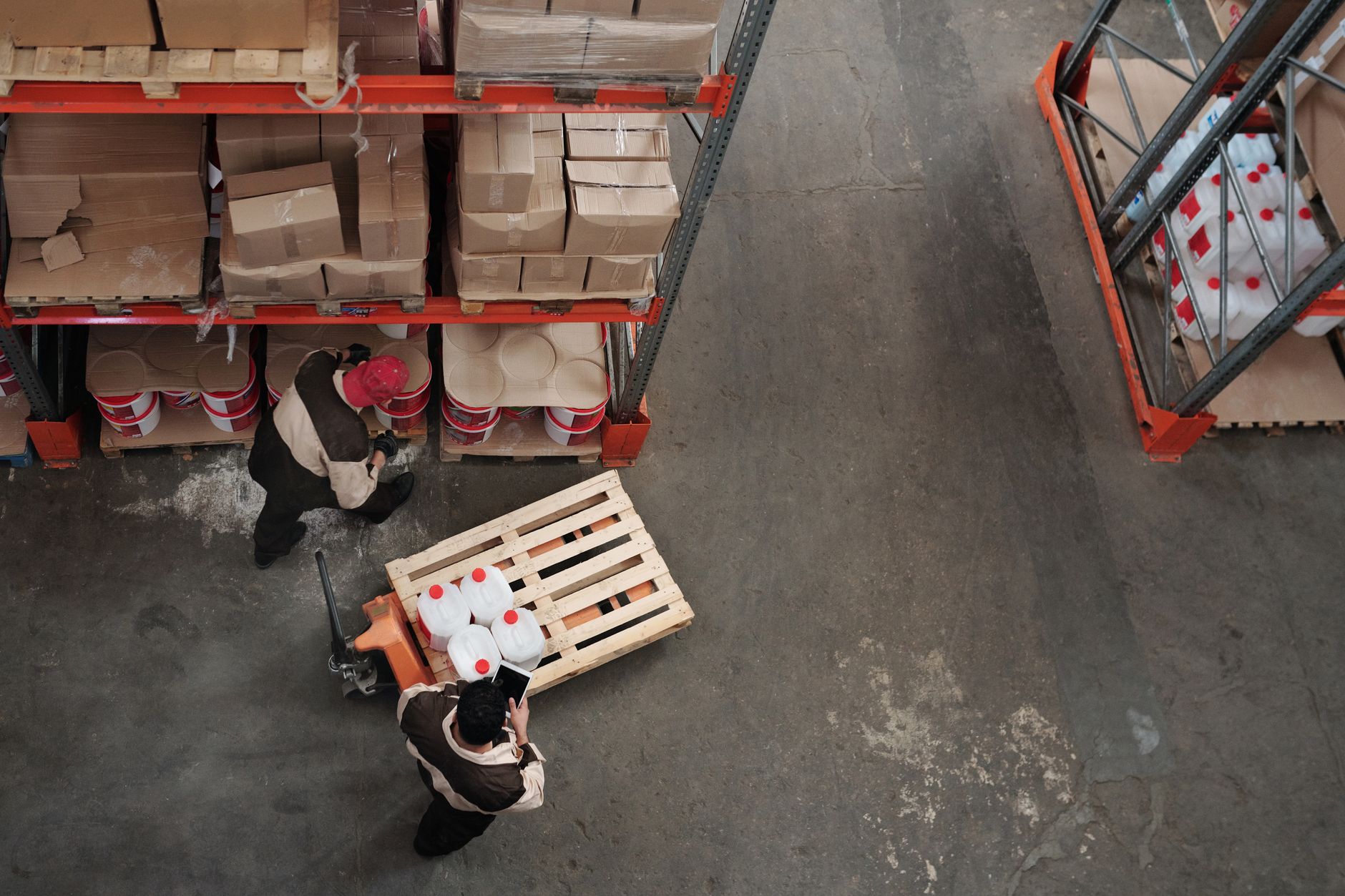
Truckload Liquidation: What to Know Before Buying a Full Load
Buying a liquidation truckload can unlock serious wholesale margins, but the wrong load can sink your cash flow fast. This guide covers manifests, landed costs, product categories, and the smartest entry path for beauty resellers scaling from small lots to full truckloads.
12 min read
What to Expect Inside a Target Overstock Beauty Pallet
Target overstock beauty pallets contain a mix of brand-name skincare, makeup, haircare, and personal care products sourced directly from retail surplus. Understanding exactly what shows up in these lots helps wholesale buyers make smarter purchasing decisions and protect their resale margins.
10 min read