Scaling From One K-Beauty Box to Full Truckloads: A Growth Roadmap for Beauty Resellers
Beauty resellers scale from small lots to truckloads by moving through three stages: single boxes to test products, then multi-box and pallet orders once a category proves profitable, then truckloads for established SKUs with predictable sell-through.
What Does the Scaling Ladder Actually Look Like for Beauty Resellers?
Three distinct stages define the beauty reseller growth path, and each one has a different capital profile, logistics setup, and margin structure. Stage 1 is single-lot testing. Stage 2 is multi-box and pallet expansion. Stage 3 is truckload operations with warehouse infrastructure. Most sellers who make it to truckload volume spend two to six months at each stage, using sell-through rate as their primary signal to move up. Skipping a stage is possible but rarely smart. The global cosmetics and personal care stores market is projected to reach $380.92 billion in 2026, growing at 6.9% (thebusinessresearchcompany.com). That growth creates room for resellers at every stage of the ladder.
The key decision at each step is not simply "can I afford the next order?" It is whether projected net profit, after freight, defects, marketplace fees, storage, labor, discounts, and unsold inventory, justifies the larger cash commitment. This is where most scaling failures happen: revenue goes up, but net profit shrinks because freight and processing costs were underestimated.
Stage 1: The Single-Box Test (1 to 11 Boxes)
The goal of Stage 1 is proof of concept, not volume. You are validating the category, testing your live-selling audience, and confirming margin before committing more capital. On Whatnot and TikTok live shows, Korean beauty units at that cost can resell at prices well above that level depending on brand recognition and presentation. Track units sold per show, average sale price, and audience response before ordering a second box. The global beauty and personal care market is projected to generate $698.38 billion in 2026, growing at a 3.16% compound annual growth rate through 2031 (eliaraza.com). Demand is not the question. Your specific audience's demand for the products in your hands is the question.
Contact Remex via WhatsApp at (434) 333-9857 or the contact page at remexliquidation.com to confirm current lot contents before placing your first order. Specific brands and product types rotate, and knowing what is in the current lot lets you plan your show narrative in advance.
Stage 2: Multi-Box and Pallet Orders (12 to ~100 Boxes)
At 5+ boxes, Remex requires an LTL freight quote rather than the standard parcel rate, so coordinate order timing to consolidate shipments and minimize freight cost per unit. LTL shipments run real money: the 2026 national average LTL rate for a standard 1-pallet, 500 lb shipment is $580, with a median of $516 and a range from $391 to $694 depending on lane (wearewarp.com). LTL pricing is also up approximately 12.5% year-over-year on new bids as of 2026 (plslogistics.com). These numbers matter when you are comparing the parcel rate on a small order against the per-unit freight cost of a consolidated pallet.
At this stage, most resellers begin mixing K-beauty mixed lots with liquidation pallets from major retailers to diversify their show assortment. Amazon health, personal care, and beauty pallets, along with Target beauty and SHEIN overstock, become relevant sourcing channels alongside Remex. Pallets from these sources can contain anywhere from hundreds to several thousand units per load, making manifest review critical before any bid.
Stage 3: Truckload Operations
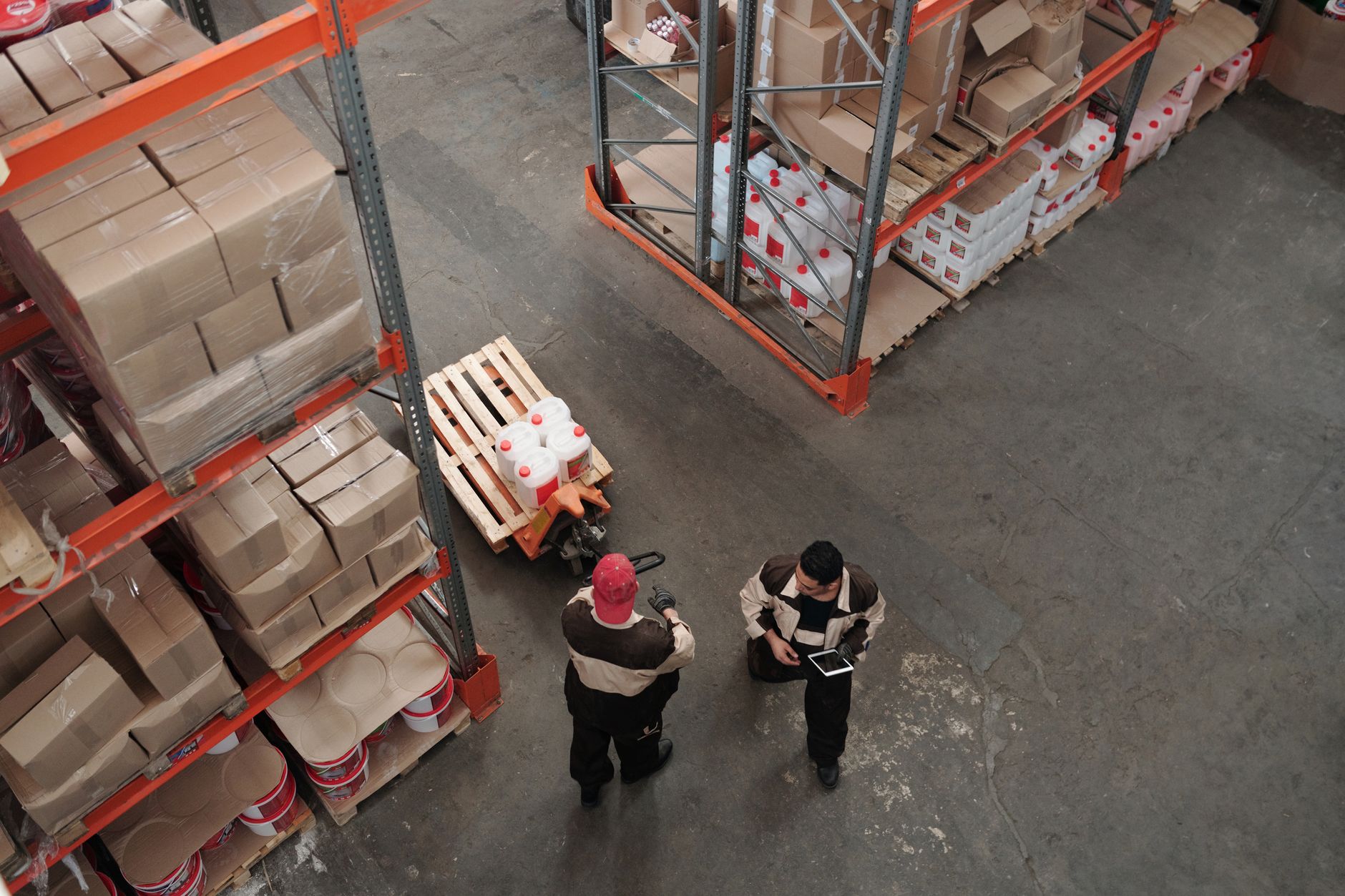
Truckload operations require warehouse space, processing labor, and working capital structured for large prepay or net-term orders. A full truckload of mixed cosmetics can contain tens of thousands of units. Pricing at this level is negotiated per load; the per-box math from Stage 1 no longer applies. Manifested truckloads from known retailer sources carry higher per-unit costs but offer more predictable sell-through compared to unmanifested blind loads. Remex ships from both Dallas, TX and Santa Fe Springs, CA, giving truckload buyers flexibility on regional logistics. Contact Remex directly for truckload availability and quotes before planning a large-volume show calendar.
How Liquidation Pallets and Truckloads Fit Into a Beauty Reseller's Sourcing Mix
Liquidation pallets come primarily from major retailers managing overstock, shelf pulls, and seasonal clearance. Amazon HPC (health, personal care, and beauty) pallets frequently contain brand-name skincare, haircare, and cosmetics. Target beauty pallets include both shelf pulls and customer returns, with condition grades that vary by source. SHEIN overstock and returns have expanded into the beauty and personal care category, offering trendy items at low cost per piece but requiring careful inspection for condition consistency. Resellers at pallet stage typically work with two to three suppliers simultaneously to avoid inventory gaps when one source runs dry. Truckloads should be reserved for SKU categories with proven sell-through data behind them.
Pallets can contain hundreds to several thousand units per load, and that range matters for your planning. A smaller beauty pallet with 400 to 600 units can be processed solo over a weekend. A large truckload with 15,000 to 20,000 units requires a receiving workflow, staging area, and at least part-time labor to avoid a processing backlog that ties up cash in unprocessed inventory. The global skincare market alone is projected at $204 billion in 2026 (eliaraza.com), which tells you that supply from major retailers is not going to slow down. The bottleneck is always your ability to receive, process, and sell, not demand.
What to Look for in a Liquidation Manifest
A reliable manifest includes SKU or UPC, item description, condition grade, quantity, and MSRP per unit. Calculate your cost-to-MSRP ratio before bidding. Beauty category pallets with strong manifests often show cost at a fraction of MSRP, leaving room for profitable resale after platform fees, shipping, and processing labor. Confirm manifest accuracy by cross-referencing a sample of listed SKUs against current retail listings on Amazon, Ulta, or Target before committing to a large order. Unmanifested or blind beauty lots carry significantly higher risk and are suited for experienced resellers with liquidation retail or auction experience, not for buyers at the beginning of Stage 2. For Remex K-beauty lots, ask directly about current lot contents via WhatsApp at (434) 333-9857 before ordering.
How Retailer-Sourced Loads Compare to Specialized K-Beauty Lots
Retailer liquidation loads offer broad brand assortment but inconsistent category depth. You may receive ten units each of fifty different SKUs rather than deep stock of any single item. That spread works well for eBay or Amazon resellers moving individual units but creates a choppy experience on a live show where audience engagement depends on narrative flow and product theming. Remex Mixed Korean Cosmetics lots are curated for live-selling: a single box delivers 400+ units of authentic K-beauty in original manufacturer packaging, optimized for unboxing reveals on TikTok and Whatnot. K-beauty lots provide thematic consistency across skincare, lip products, and face care that lets a live seller build a recognizable show identity. The practical hybrid model is to use Remex K-beauty as the anchor inventory for each show and supplement with retailer liquidation lots for variety and price-point diversity across a session.
How to Calculate Landed Cost and Target Margins at Each Scale Level
Landed cost has four components: product cost, inbound freight, processing labor, and platform fees. Ignoring any one of them leads to margin surprises. This is a worked framework, not a hypothetical.
Assume a single Remex box at Stage 1: $600 product cost plus $80 shipping equals $680 landed for 400+ units, or about $1.70 per unit. For example, consider a TikTok Shop seller in Atlanta who buys one Remex K-beauty box and receives 450 units of authentic Korean skincare and lip products. Assume a solo seller spends two hours processing and photographing at $25 per hour equivalent: add $50 in labor cost, raising landed cost to $1.85 per unit. Platform fees on Whatnot and TikTok Shop vary, but sellers should budget for marketplace fees in their floor price calculations.
Consolidating into LTL rather than parcel shipping requires comparing the per-unit freight cost across multiple boxes against the parcel rate. The 2026 national median LTL rate is $516 for a standard pallet (wearewarp.com). Spread across a large multi-box order, that freight cost per unit often comes in lower than the per-box parcel rate when volume justifies consolidation. Run your own numbers at 1, 5, 12, and 50 boxes using a simple spreadsheet with columns for product cost, freight, labor, platform fees, total landed cost, units, cost per unit, target sale price, and projected gross margin. Update the model every 30 days during active scaling. Skincare represented 39% of the global beauty market in 2025 (eliaraza.com), meaning skincare-heavy lots like Remex K-beauty boxes have a large and growing resale audience.
Net profit at truckload scale requires adding storage fees or warehouse rent and unloading labor before the first sale. A common failure point is sellers who achieve strong gross margin on individual units but watch net profit collapse because warehouse cost and slow-moving inventory were not built into the model. The breakeven on a truckload needs to be calculated before the order is placed, not after.
Operational Upgrades Before Moving to Pallets and Truckloads
Storage is the first physical constraint. A garage or spare room works for one to five boxes. Ten or more boxes, or any pallet-level order, requires dedicated shelving with enough space to stage incoming inventory separately from processed, ready-to-sell stock. Cosmetics require appropriate climate control: excessive heat and humidity degrade product quality and reduce sellability. This is not a minor logistics note. It is a compliance and quality issue.
Beauty products at scale also require batch and lot tracking. When you are selling cosmetics in volume, knowing which batch an item came from matters for quality control, customer service, and, depending on your sales channel, regulatory compliance. Some marketplaces and retail partners require that sellers document lot numbers for certain personal care categories. A barcode scanner and a basic inventory management system become essential at pallet volume. Spreadsheets that work at ten boxes break down at a hundred. At Remex Liquidation, our team regularly speaks with resellers who underestimate this transition. The processing infrastructure needs to be in place before the pallet arrives, not assembled after.
Fulfillment workflow is the second constraint. A solo seller managing a truckload without part-time help typically burns out within thirty to sixty days. Plan labor cost into your margin model before scaling. Cash flow is the third constraint. Larger orders require more capital upfront. Build a 60 to 90 day cash reserve before moving to pallet orders, and ask Remex about payment timing when discussing larger volumes.
Logistics When Ordering From Multiple Warehouses
Remex ships from both Dallas, TX and Santa Fe Springs, CA. Selecting the warehouse closest to your location reduces freight cost and transit time. East Coast resellers may find the Dallas, TX location more cost-effective for their lanes. West Coast resellers benefit from the Santa Fe Springs, CA proximity. When combining K-beauty lot orders with retailer liquidation pallets from other sources, coordinate delivery windows to avoid simultaneous inbound shipments that overwhelm your processing capacity. All sales are final with no returns accepted, so confirming lot contents via WhatsApp before placing any large order is essential.
How to Use Remex Liquidation as the Foundation of a Scalable Sourcing Strategy
Remex's 1-box minimum removes the entry barrier that keeps most new resellers locked out of K-beauty wholesale. You do not need to commit to a pallet to start. The progression is built directly into Remex's pricing structure: 1 box to test the market, 5+ boxes to trigger LTL freight savings and require a freight quote, 12+ boxes to unlock volume discounts. That ladder mirrors the natural stages of a live-selling business, which makes Remex a logical anchor supplier from day one through truckload volume.
Authentic Korean cosmetics in original manufacturer packaging are well-suited for live-selling audiences who respond to unboxing reveals and brand storytelling. K-beauty lots provide the thematic consistency a show needs to build audience loyalty. As your show grows and K-beauty sell-through proves consistent, truckload inquiries become the natural next conversation with Remex. The hybrid sourcing model works like this: Remex K-beauty lots anchor each show with a recognizable, themed assortment; retailer liquidation pallets (Amazon HPC, Target beauty) add variety and price diversity within the same session. This combination serves sellers better than either source alone because it balances thematic depth with assortment breadth.
Results speak louder. A reseller who starts with one Remex box, tracks sell-through carefully, and scales to twelve boxes within three months has real data to present when negotiating larger orders or planning truckload timing. That data-driven approach is what separates sellers who reach truckload volume from those who stall at the pallet stage. Reach Remex via WhatsApp at (434) 333-9857 or through the contact page on remexliquidation.com for the fastest response on current lot contents, volume availability, and freight quotes.
Frequently Asked Questions
What is the minimum order to start buying wholesale Korean cosmetics from Remex Liquidation?
How much does one Remex K-beauty box cost including shipping?
When do volume discounts start, and how much can I save at higher box quantities?
What is the difference between ordering 5 boxes versus 12 boxes in terms of shipping and pricing?
How do I find out which brands and products are inside the current Remex K-beauty lot?
Are Remex Korean cosmetics new or used, and what condition are they in?
What is the difference between a liquidation pallet and a Remex Mixed Korean Cosmetics lot?
How do I calculate my landed cost per unit when scaling from one box to multiple pallets?
What retailer-sourced liquidation loads work best alongside K-beauty lots for a TikTok or Whatnot live show?
Can I return a Remex order if the products do not sell well?
What are the key signs that a reseller is ready to move from lots to pallets?
How do pallet and truckload costs compare with traditional wholesale pricing?
Which beauty products are safest to buy in liquidation truckloads?
How can resellers inspect pallets and estimate sellable inventory?
What compliance and fulfillment issues arise when scaling beauty inventory?
Sources & References
- LTL Rate Benchmarks 2026: Averages & Cost Per Mile — Warp (opens in a new tab)[industry]
- Beauty Industry Statistics to Understand 'Beauty is a Business' — Elia Raza (opens in a new tab)[industry]
- Cosmetics And Personal Care Stores Market Size Report 2026-2030 — The Business Research Company (opens in a new tab)[industry]
- LTL Freight Market 2026: Rates, Trends & Outlook — PLS Logistics Services (opens in a new tab)[industry]
About the Author
Remex Liquidation
REMEX Liquidation is a B2B wholesale supplier of authentic Korean cosmetics and skincare in small, flexible lots for online and live-selling resellers, plus liquidation pallets and truckloads from major retailers, shipped from warehouses in Dallas, TX and Santa Fe Springs, CA.
Learn more at remexliquidation.com → (opens in a new tab)Related Posts
SHEIN Liquidation Pallets: What Resellers Actually Get (And What to Consider First)
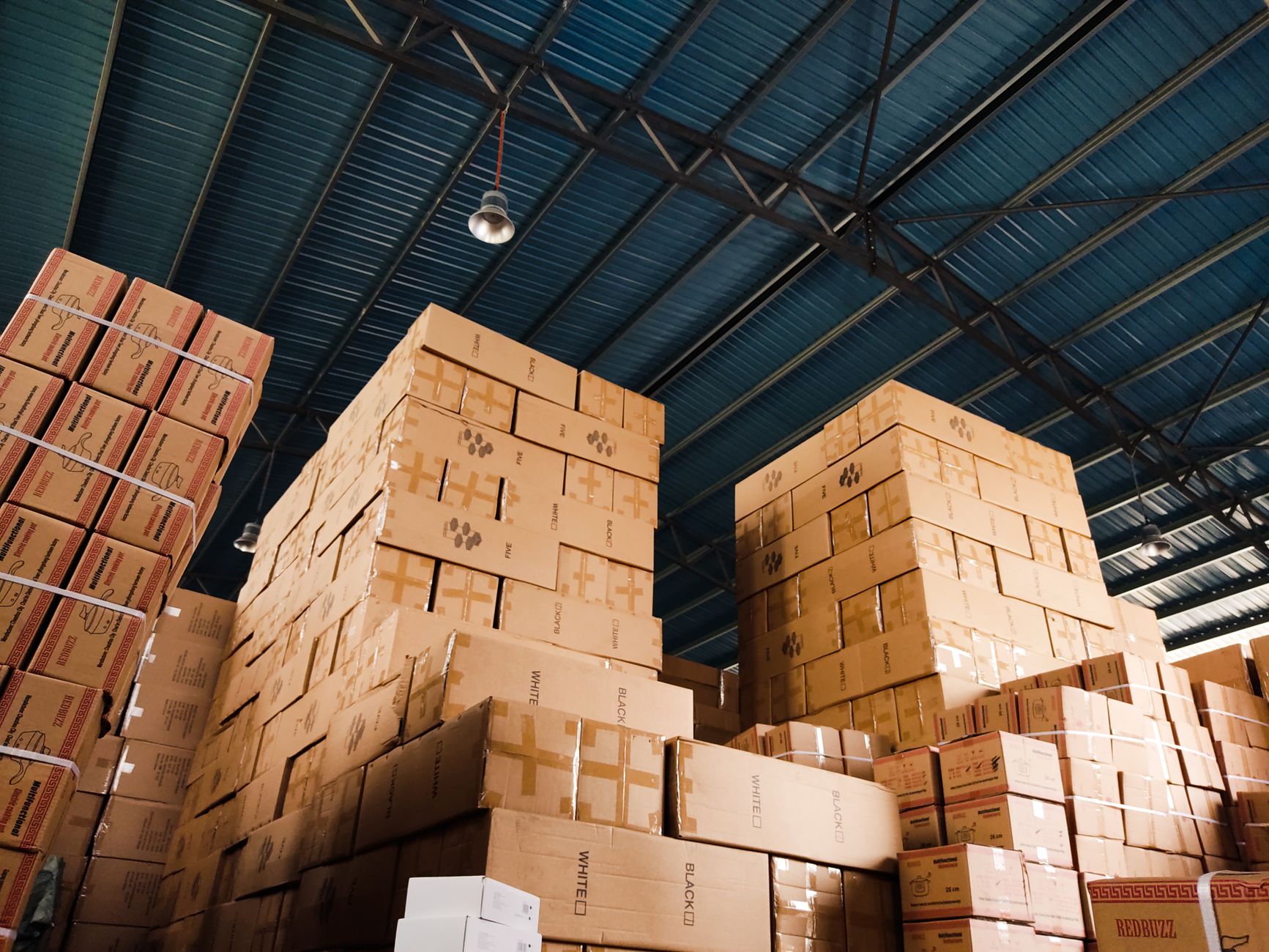
SHEIN liquidation pallets contain mixed apparel and beauty overstock, but resellers often face incomplete manifests, variable quality, and high minimum spend before seeing profit. This guide breaks down what you actually get, how to calculate landed costs, and why some beauty resellers start with small authenticated lots before scaling to pallets.
12 min read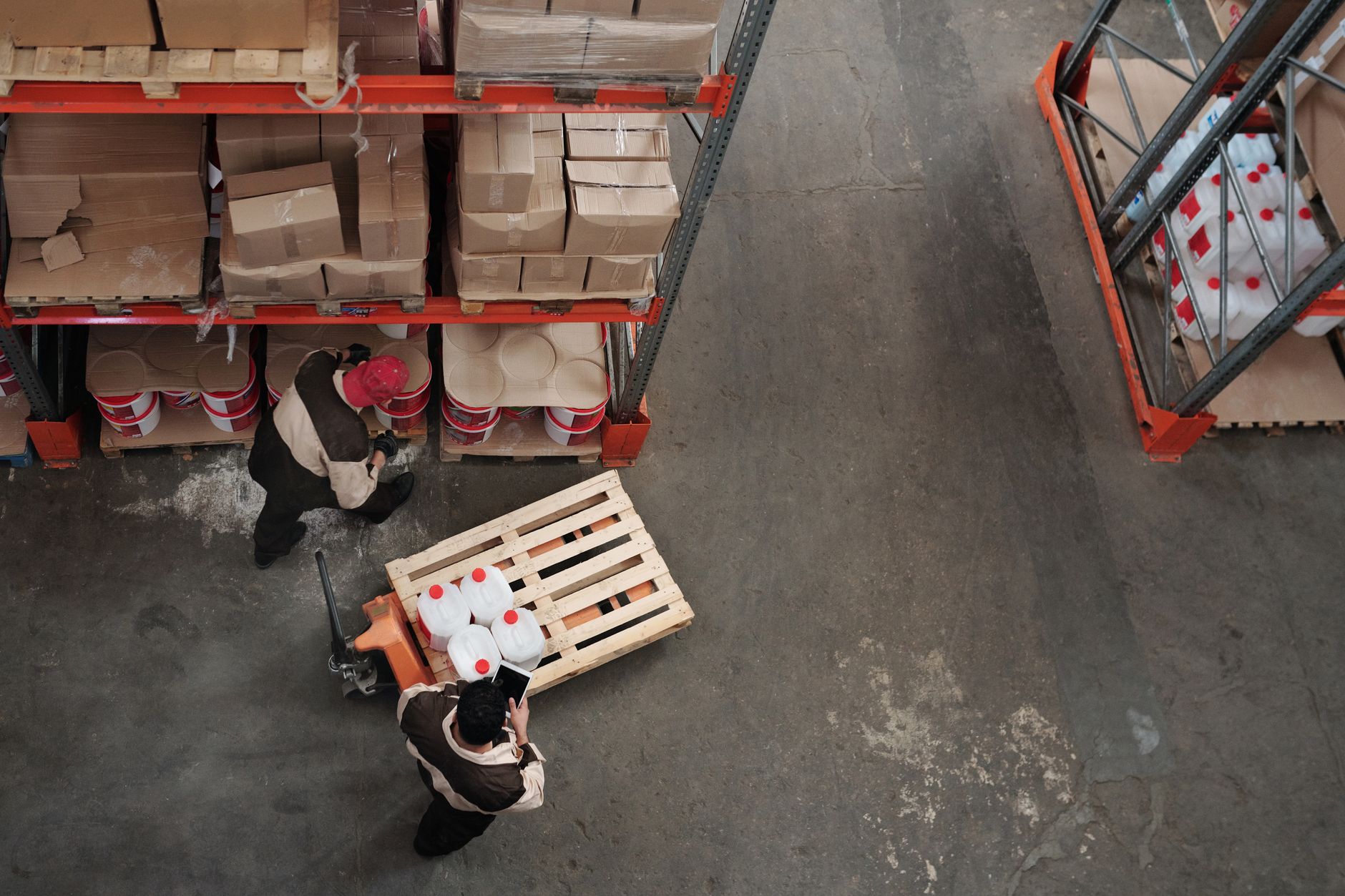
Truckload Liquidation: What to Know Before Buying a Full Load
Buying a liquidation truckload can unlock serious wholesale margins, but the wrong load can sink your cash flow fast. This guide covers manifests, landed costs, product categories, and the smartest entry path for beauty resellers scaling from small lots to full truckloads.
12 min read
What to Expect Inside a Target Overstock Beauty Pallet
Target overstock beauty pallets contain a mix of brand-name skincare, makeup, haircare, and personal care products sourced directly from retail surplus. Understanding exactly what shows up in these lots helps wholesale buyers make smarter purchasing decisions and protect their resale margins.
10 min read